

By Beth Stewart
London has a richness of community art groups, including the Brush and Palette Club, the Gallery Painting Group, the Lambeth Art Association, and the London Community Artists.
While each occupies a unique niche, all provide camaraderie, education, and exposure.
The Brush and Palette Club (B & P), formed in 1972, grew out of painting sessions organized by artist and teacher Dorthy Heaven. By 1989, the small group had grown to 50; current membership is capped at 110 for practical reasons, and it has a healthy wait list.
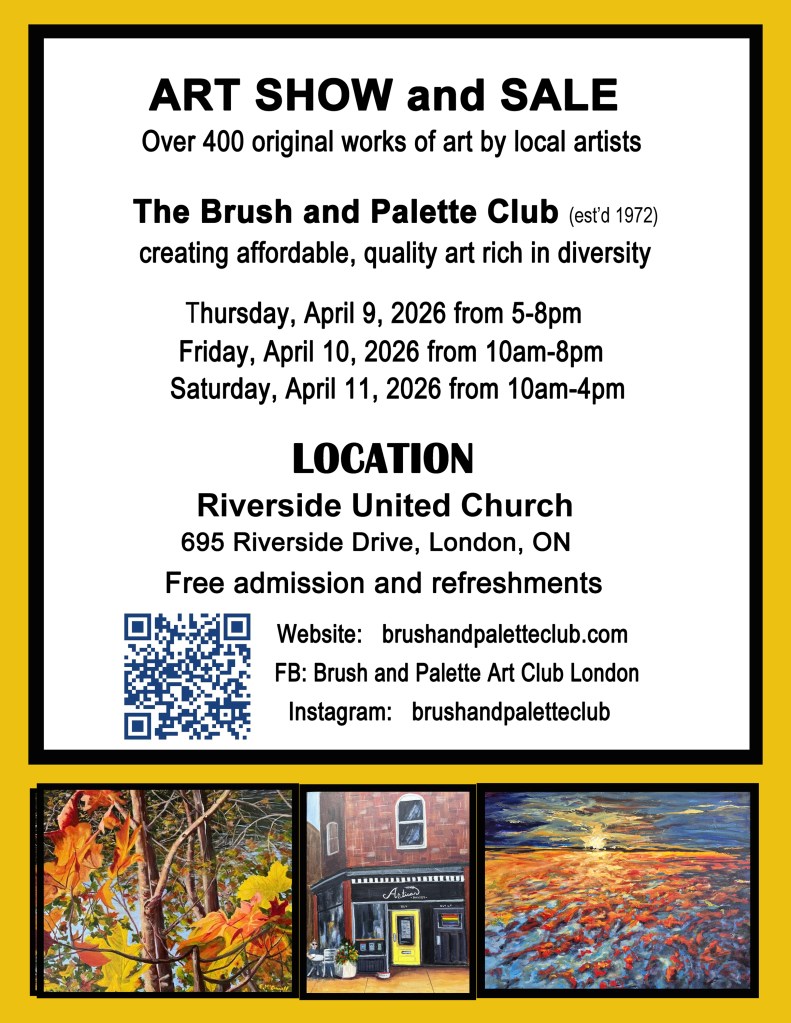
B & P Publicity Convenor Marilyn Kidd says many artists join the club because art making can be an isolating activity. Membership allows them to be “stimulated, motivated and inspired.” She says members enjoy participating in art-related activities with the group and “growing together as they learn about new painting techniques.”
The club meets monthly, except for July and August, at Riverside United Church. Members enjoy presentations by invited speakers, trips, and seven hands-on workshops in a variety of media per year.
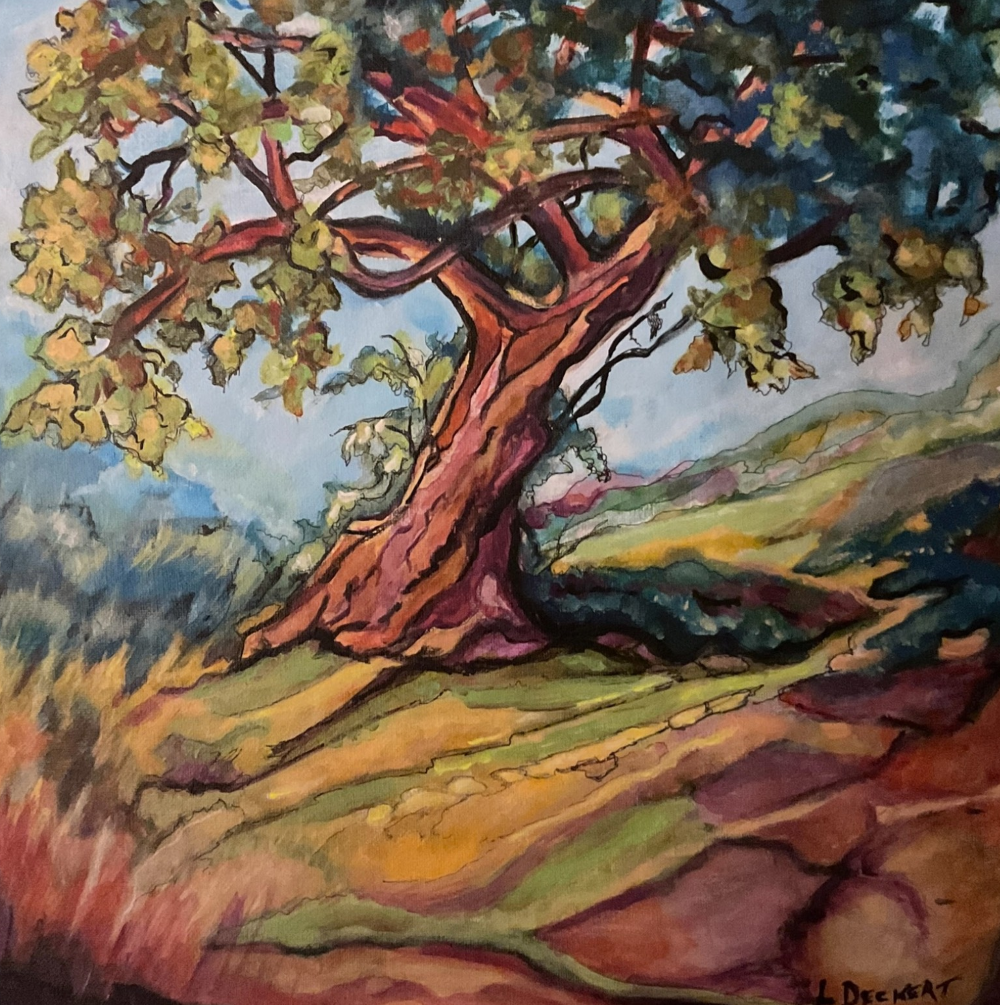
(Pictured: Brush and Palette artist Linda Deckert’s “High on a Windy Hill”, acrylic, 24 by 28 inches.)
The club strives to provide a supportive environment for members, to provide opportunities to broaden artistic skills, and to promote visual art in the community at large.
What differentiates the B & P Club from other art groups is the nature and quantity of its activities. Each meeting has an invited guest who speaks on a wide variety of topics relating to art. The meetings are also social occasions with time for friendly conversation and interaction during a coffee break. As well, there are two club luncheons each year.
An annual show and sale gives members a specific event to work toward. Working together at the show creates a deep bond as members all pull together to make the event a big success.
The Brush and Palette Club’s next Art Show and Sale is April 9 to 11 at Riverside United Church.
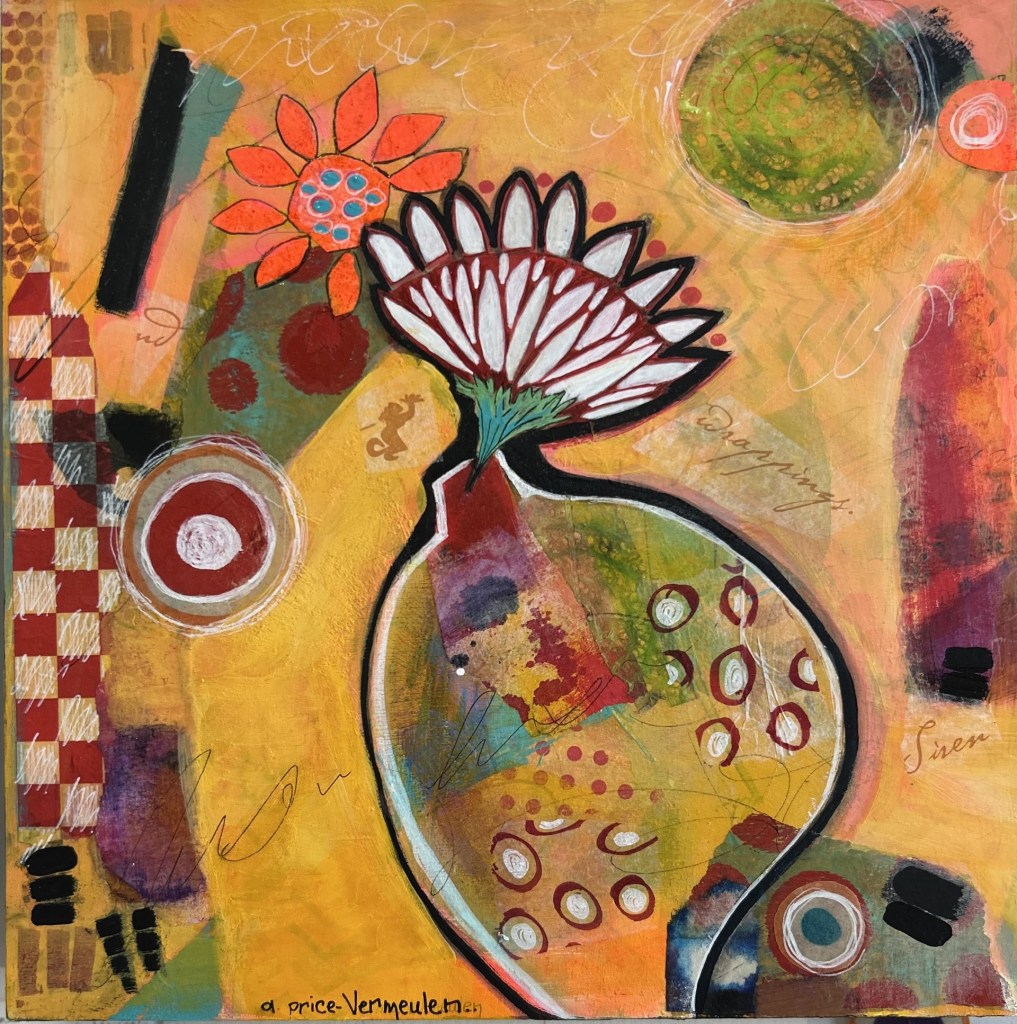
(Pictured: Brush & Palette artist Alice Price-Vermeulen’s “Palimpsest”, mixed media, 12 by 12 inches.)
Kidd joined the group in 2012. She says, “Being a member has encouraged me to persevere and to grow as an artist, and I have benefitted from the friendship and support of other members.” She is also a long-time member of the Gallery Painting Group, where she enjoys “plein air” work. She says, “Each group offers various advantages, and I would not give up either of them!”
For additional information, visit: https://brushandpaletteclub.com/
The Gallery Painting Group (GPG) was formed in 1953 at the recommendation of the president of the Western Art League, which was founded in 1876 to promote art in London, Ontario
It includes 70 local artists who enjoy the plein air painting experience, which is the act of painting outdoors. From May to October, members of the group paint on location on Tuesday and Saturday mornings at various locations in and around the London area.
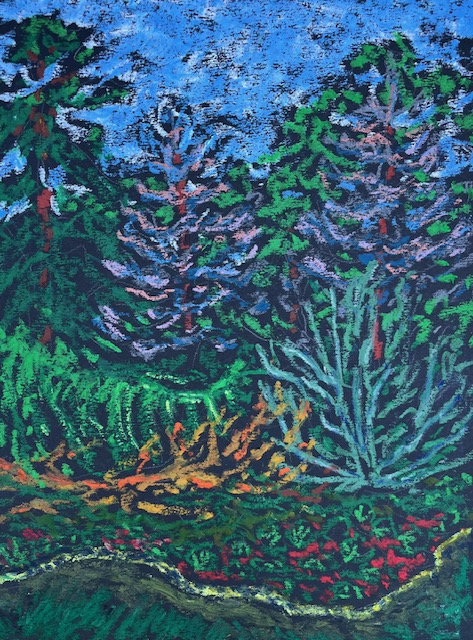
(Pictured: Gallery Painting Group artist Wendy Reid’s “Off the Trail”, oil pastel on black paper, 9 by 12 inches. From a plein air day at Springbank Park.)
As members interact frequently, official meetings are limited to two per year.
Marily Kidd says, while the group has fewer meetings, members interact frequently from May to October while painting together outdoors in and around London in “fascinating and diverse locations.” Because it’s a smaller group, the sense of community is strong.
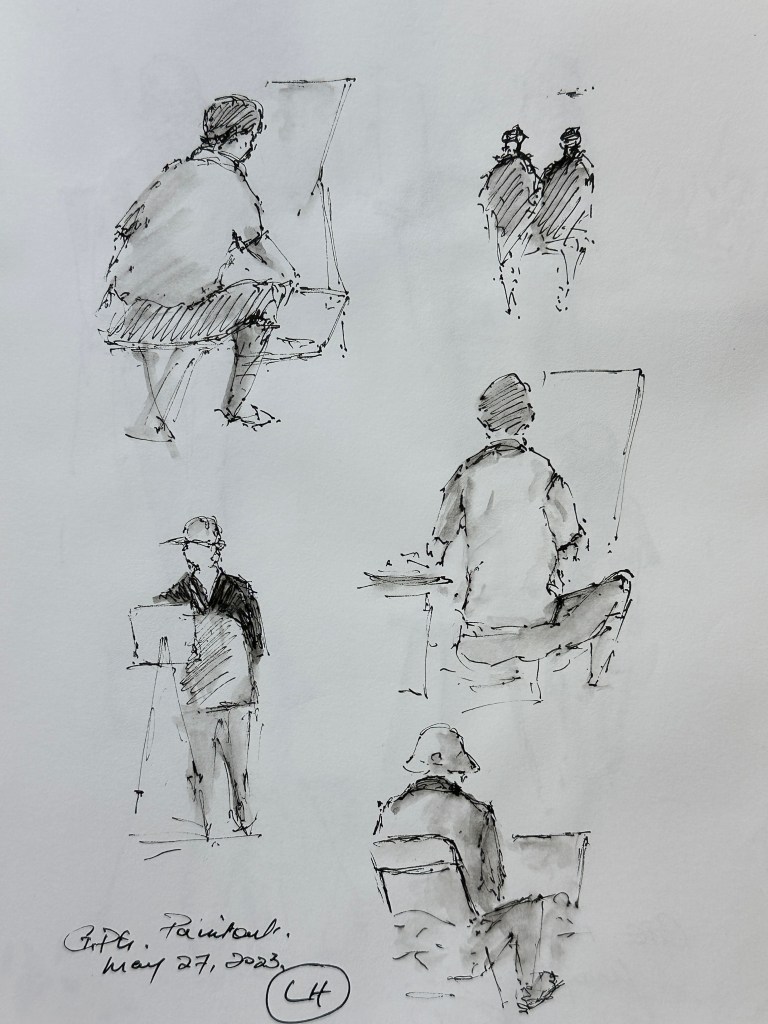
(Pictured: On location sketches by GPG artist Len Hughes showing members at work.)
Each fall, the GPG holds a show and sale of the paintings produced by its members throughout the summer. Their next show will take place at First Street. Andrews United Church, October 22nd to 25th, 2026.
For additional information, visit: https://www.gallerypaintinggroup.com/ or interact with the GPG on Facebook: https://www.facebook.com/londonpleinair/
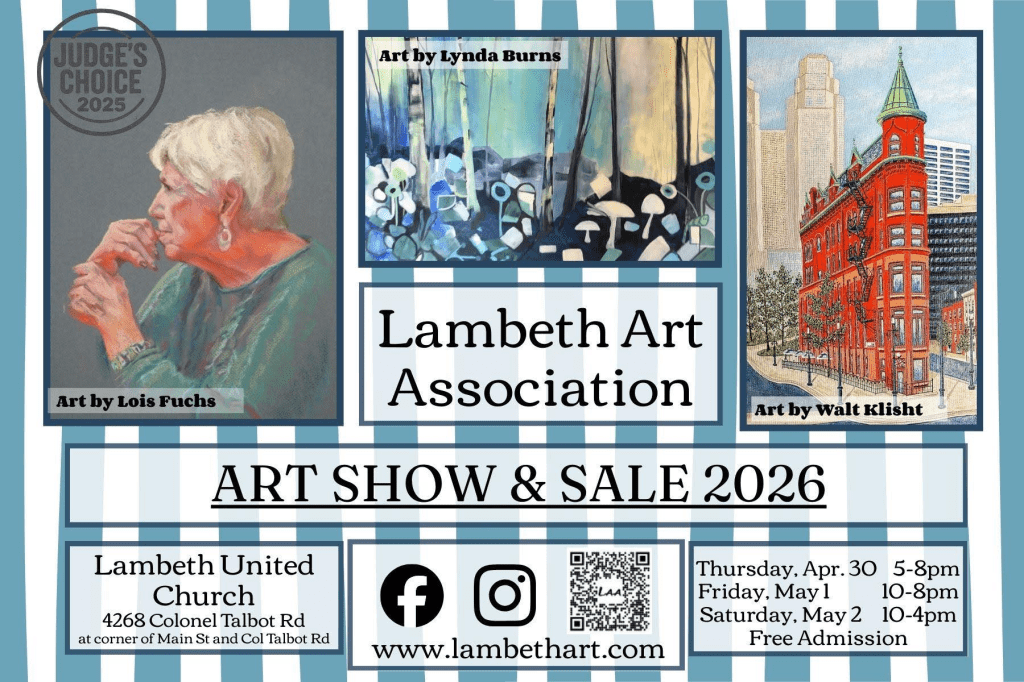
The Lambeth Art Association (LAA) provides support for established and emerging artists in the practice and appreciation of art. It fosters relationships, delivers educational opportunities, and offers exhibition opportunities.
Begun in 1972, with just five members, the Lambeth Art Association now boasts a membership of over 130 artists. LAA members work in oil, acrylic, watercolour, pastel, pencil, fibre, and mixed media. Members meet monthly, from September to May at Riverside United Church. All meetings feature a guest speaker or a hands-on activity. Each year, members enjoy six art-based workshops and community events. Members exhibit their artwork at the association’s popular Art Show and Sale held in the spring of each year.
The next show is April 30 to May 2, 2026, at Lambeth United Church, 4268 Colonel Talbot Road at Main Street. The show will include framed and unframed work in a variety of media. Styles range from traditional to abstract.
Sold work is taken home immediately by its lucky owners and the resulting vacant space is quickly filled with art that has been held in reserve. Savvy visitors come more than once to avoid missing that special piece.
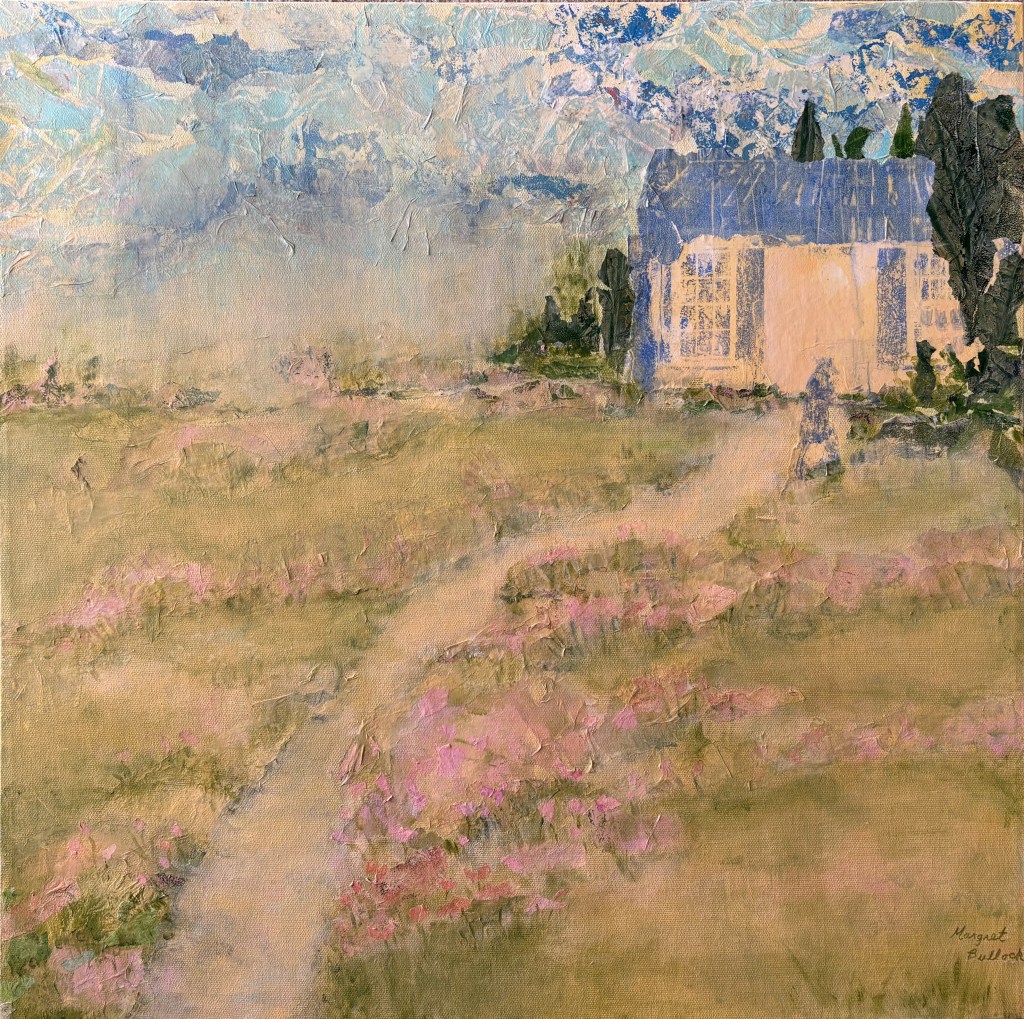
(Pictured: Lambeth Art Association artist Margret Bullock’s “Field of Dreams”, mixed media collage of an imaginary garden scene, 20 by 20 inches.)
Patricia Walker joined the LAA in 2025. She says, “I feel very lucky to be part of the Lambeth group.” When she moved back to southwestern Ontario in 1980, she enquired about joining, but the wait list at that time was years long, so she continued to work in isolation with not a whole lot of excitement about art. This, recalls Walker, resulted in a “period of non-productivity.”
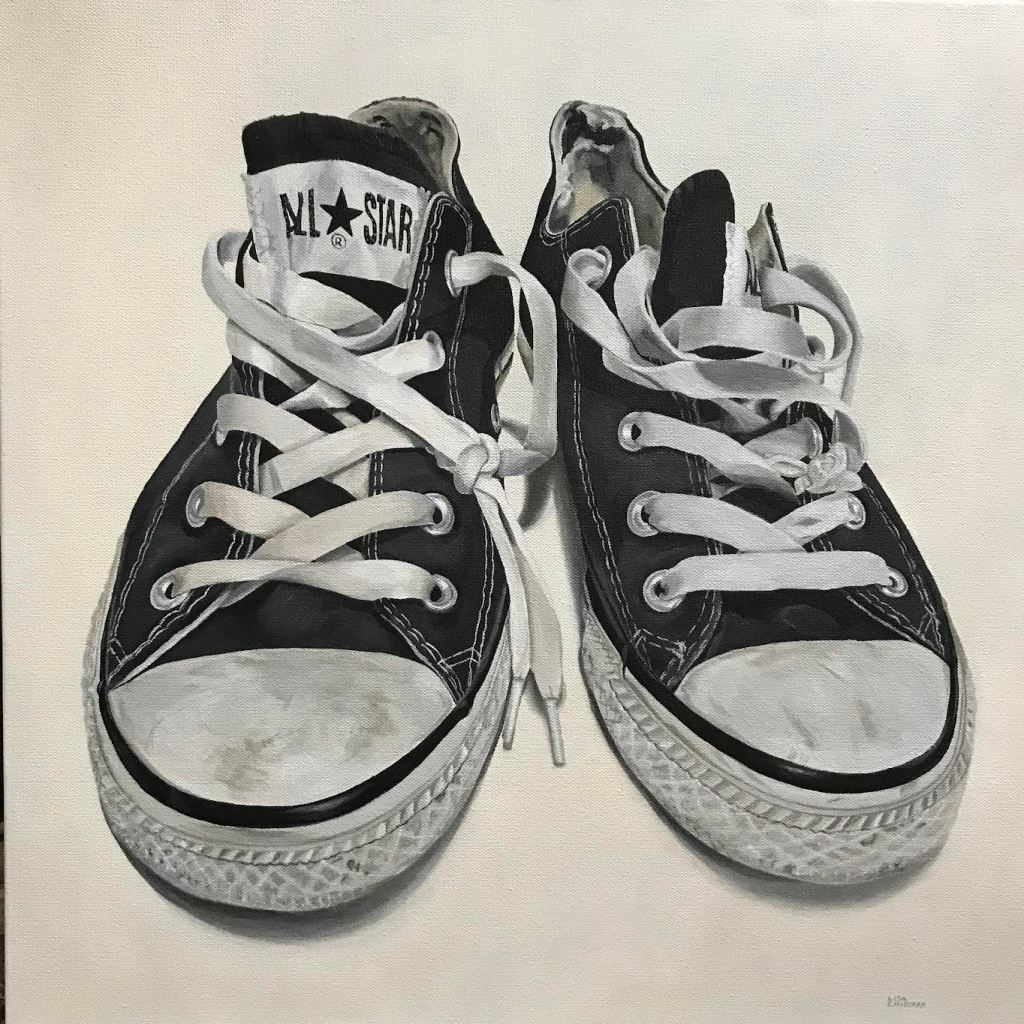
(Pictured: LAA artist Lisa Chiborak’s “Really Big Shoes”, acrylic, 20 by 20 inches.)
Walker says, “The group is friendly and willing to share their techniques, their journey and their frustrations with different mediums. It makes me want to keep creating.” In addition to the LAA, Walker belongs to the London Community Artists, the St. Thomas Art Guild, the Port Stanley Art Guild and the Creative Nomads.
For additional information, visit: https://www.lambethart.com/ or interact with the LAA on Facebook: https://www.facebook.com/lambethartassociation/
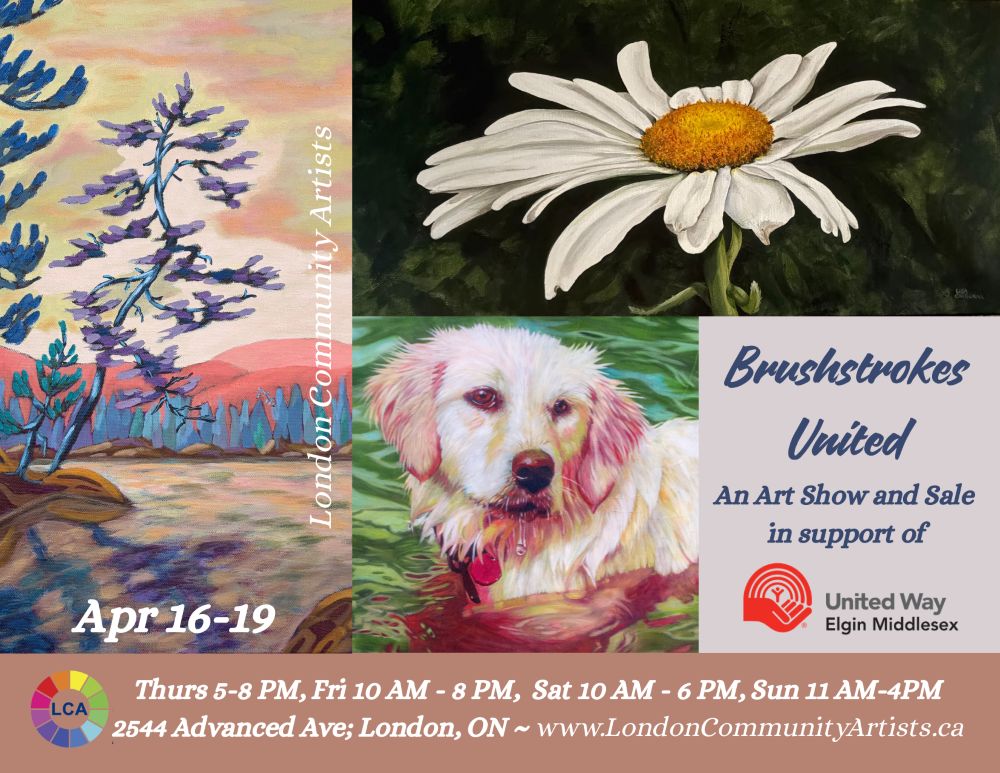
The London Community Artists (LCA) is the new kid on the block. It was formed by Wendy Jennings in 2018 in response to the lengthy wait lists to join other clubs.
Membership was initially limited to 50 members, but this was increased to 75 in 2023. Even with the expansion in membership, LCA maintains a wait list of approximately 100 hopefuls. New members are accepted in January to fill any vacancies that have come about throughout the year.
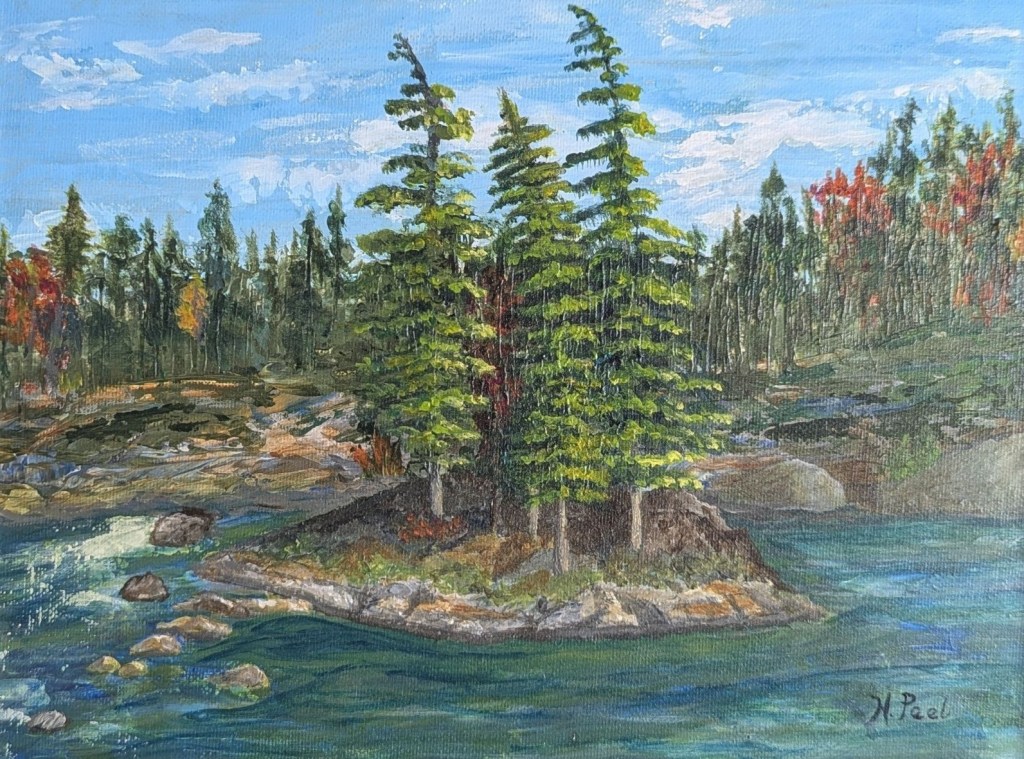
(Pictured: 09 London Community Artists’ Heather Peel, “Autumn Calm”, acrylic (mostly palette knife work), 11 by 14 inches.)
Members’ meetings feature speakers, and there are frequent “Paint Days” at Western Research Park, where members get together to paint and share some special times. The club also offers monthly art challenges in which members submit their best work in response to a specific topic. Entries are reviewed by their peers, and the first and second-place winners receive a gift card for art supplies.
In 2024, they began hosting workshops led by both internal and external experts.
The LCA has established long-term partnerships with Cherryhill Village Mall, Western Research Parks and the Children’s Hospital at London Health Sciences’ Victoria Campus. Members have art on display at each of these locations throughout the year. Their longest-running and most successful display is at the Cherryhill location, where member artists have sold over 140 pieces of art.
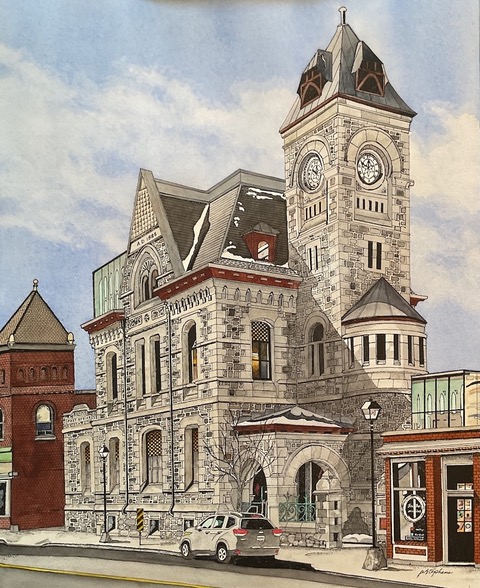
(Pictured: “Old Post Office (Cambridge)”, watercolour and ink, 16 by 20 inches, by LCA artist Bill Stephens.)
LCA hosts two major Art Shows each year: one in April and another in November. This year’s Spring Show is scheduled for April 16 to 19, 2026, at The Collider, located in the Western Research Park off Veterans’ Memorial Drive and Bradley Avenue.
Current president Bill Stephens joined in 2019. It is the only club he belongs to, and he has been involved in all the club’s activities.
Membership has served him well in his personal art journey. Stephens says, “I have learned so much from our talented members.”
For additional information, visit: https://londoncommunityartists.ca/
Written by Beth Stewart
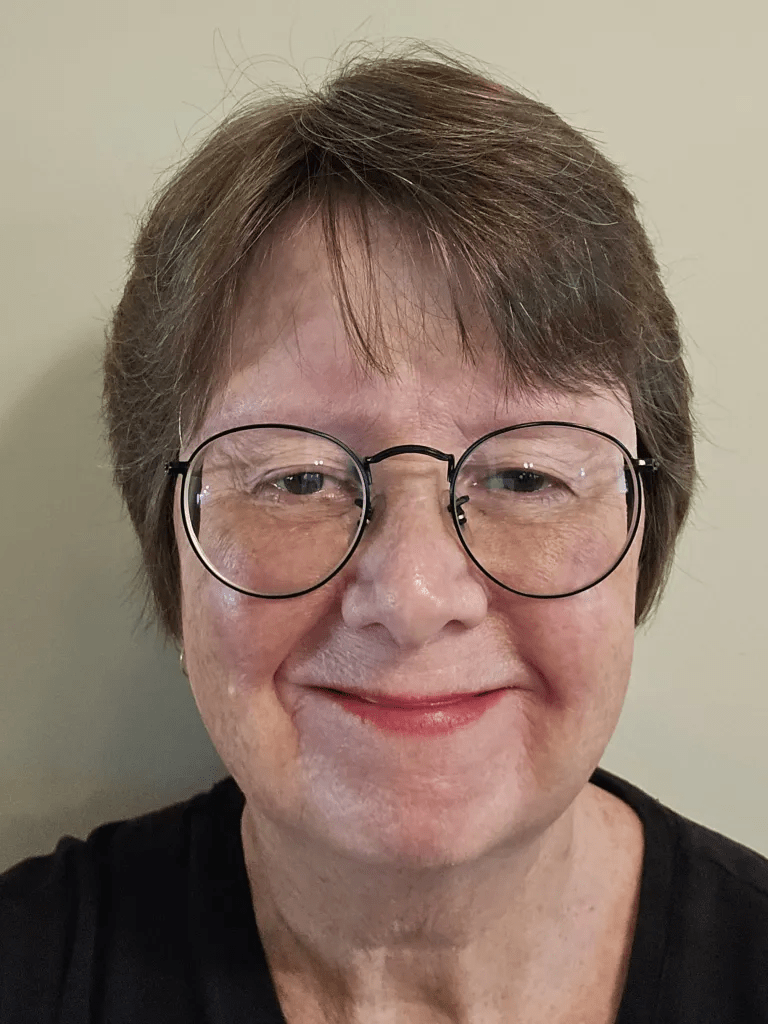
Beth Stewart is a writer, educator, and visual artist. She has a B.A. and a B.Ed. from the University of Windsor and a Diploma in Art Therapy from Western University. Beth has worked as an Art Therapist with Canadian war veterans and as a Secondary School Teacher of art and English for the TVDSB. She retired in 2024.
Beth was the arts editor at Scene Magazine from 2004 to 2006. She founded Artscape Magazine in 2006 and served as its editor until 2008. In addition, Beth wrote on the arts for Lifestyle Magazine from 2006 to 2017 and served as the copy editor for The Beat (in print) from 2009 to 2013.
As a visual artist, Beth works mainly in dry media and favours coloured pencil. Over the past decade, Beth’s focus has been on wild and domestic birds. Beth is a member of the Coloured Pencil Society of America, the Gallery Painting Group, the Eclectic Collage Collective, the Lambeth Art Association, and a founding member of the Coloured Pencil Artists of Canada group.
Facebook: https://www.facebook.com/profile.php?id=100009620916363










 Richard's Blog