Community Art Groups: Camaraderie, Education, and Exposure

by Richard Young

By Beth Stewart

London has a richness of community art groups, including the Brush and Palette Club, the Gallery Painting Group, the Lambeth Art Association, and the London Community Artists.

While each occupies a unique niche, all provide camaraderie, education, and exposure.

The Brush and Palette Club (B & P), formed in 1972, grew out of painting sessions organized by artist and teacher Dorthy Heaven. By 1989, the small group had grown to 50; current membership is capped at 110 for practical reasons, and it has a healthy wait list.

B & P Publicity Convenor Marilyn Kidd says many artists join the club because art making can be an isolating activity. Membership allows them to be “stimulated, motivated and inspired.” She says members enjoy participating in art-related activities with the group and “growing together as they learn about new painting techniques.”

The club meets monthly, except for July and August, at Riverside United Church. Members enjoy presentations by invited speakers, trips, and seven hands-on workshops in a variety of media per year.
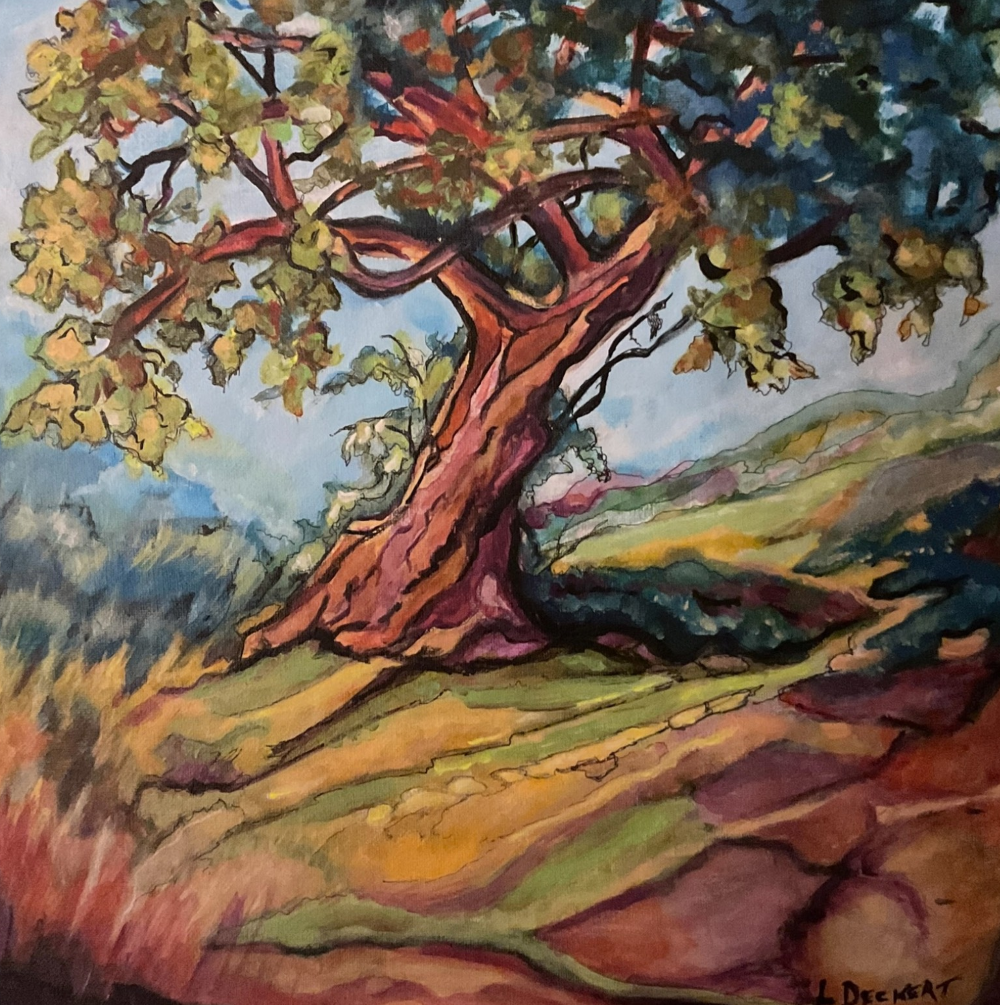
(Pictured: Brush and Palette artist Linda Deckert’s “High on a Windy Hill”, acrylic, 24 by 28 inches.)

The club strives to provide a supportive environment for members, to provide opportunities to broaden artistic skills, and to promote visual art in the community at large.

What differentiates the B & P Club from other art groups is the nature and quantity of its activities. Each meeting has an invited guest who speaks on a wide variety of topics relating to art. The meetings are also social occasions with time for friendly conversation and interaction during a coffee break. As well, there are two club luncheons each year.

An annual show and sale gives members a specific event to work toward. Working together at the show creates a deep bond as members all pull together to make the event a big success.

The Brush and Palette Club’s next Art Show and Sale is April 9 to 11 at Riverside United Church.
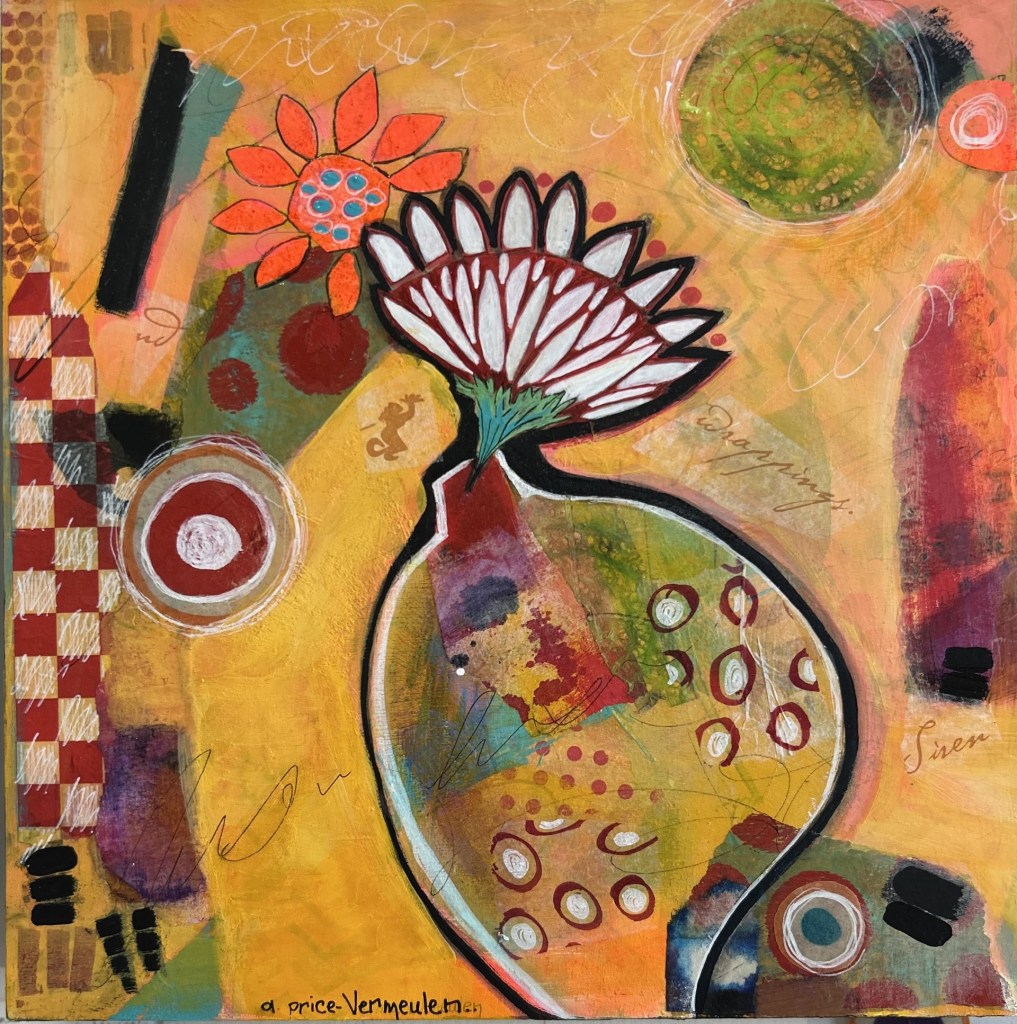
(Pictured: Brush & Palette artist Alice Price-Vermeulen’s “Palimpsest”, mixed media, 12 by 12 inches.)

Kidd joined the group in 2012. She says, “Being a member has encouraged me to persevere and to grow as an artist, and I have benefitted from the friendship and support of other members.” She is also a long-time member of the Gallery Painting Group, where she enjoys “plein air” work. She says, “Each group offers various advantages, and I would not give up either of them!”

For additional information, visit: https://brushandpaletteclub.com/

The Gallery Painting Group (GPG) was formed in 1953 at the recommendation of the president of the Western Art League, which was founded in 1876 to promote art in London, Ontario

It includes 70 local artists who enjoy the plein air painting experience, which is the act of painting outdoors. From May to October, members of the group paint on location on Tuesday and Saturday mornings at various locations in and around the London area.

(Pictured: Gallery Painting Group artist Wendy Reid’s “Off the Trail”, oil pastel on black paper, 9 by 12 inches. From a plein air day at Springbank Park.)

As members interact frequently, official meetings are limited to two per year.

Marily Kidd says, while the group has fewer meetings, members interact frequently from May to October while painting together outdoors in and around London in “fascinating and diverse locations.” Because it’s a smaller group, the sense of community is strong.
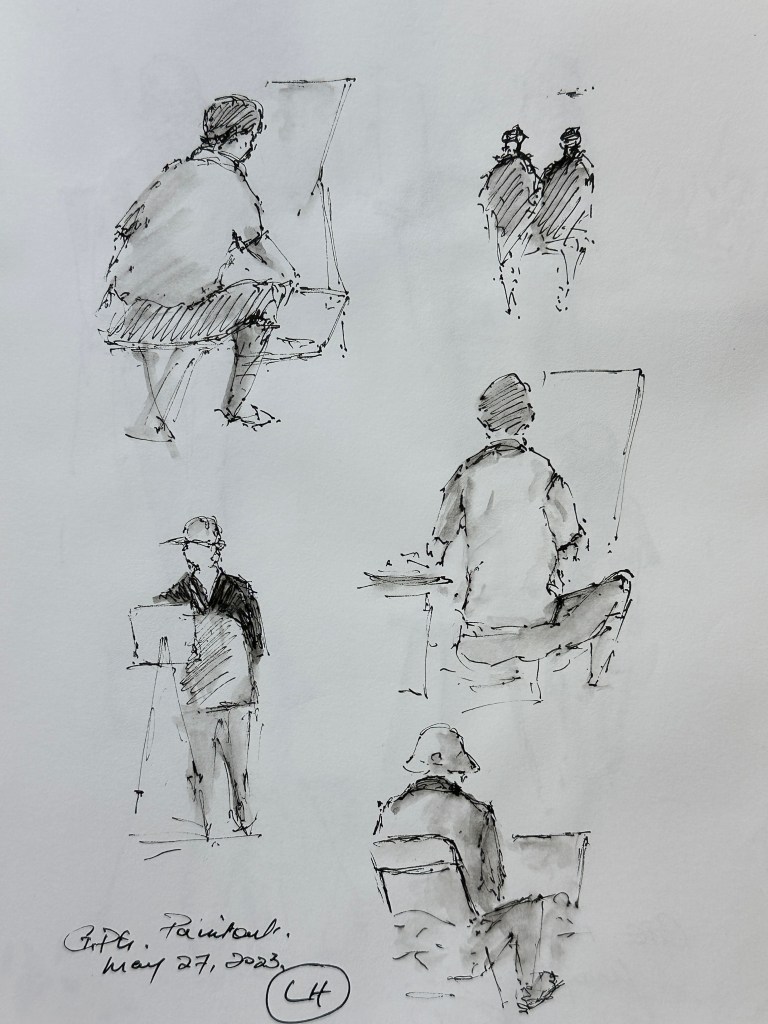
(Pictured: On location sketches by GPG artist Len Hughes showing members at work.)

Each fall, the GPG holds a show and sale of the paintings produced by its members throughout the summer. Their next show will take place at First Street. Andrews United Church, October 22nd to 25th, 2026.

For additional information, visit: https://www.gallerypaintinggroup.com/ or interact with the GPG on Facebook: https://www.facebook.com/londonpleinair/

The Lambeth Art Association (LAA) provides support for established and emerging artists in the practice and appreciation of art. It fosters relationships, delivers educational opportunities, and offers exhibition opportunities.

Begun in 1972, with just five members, the Lambeth Art Association now boasts a membership of over 130 artists. LAA members work in oil, acrylic, watercolour, pastel, pencil, fibre, and mixed media. Members meet monthly, from September to May at Riverside United Church. All meetings feature a guest speaker or a hands-on activity. Each year, members enjoy six art-based workshops and community events. Members exhibit their artwork at the association’s popular Art Show and Sale held in the spring of each year.

The next show is April 30 to May 2, 2026, at Lambeth United Church, 4268 Colonel Talbot Road at Main Street. The show will include framed and unframed work in a variety of media. Styles range from traditional to abstract.

Sold work is taken home immediately by its lucky owners and the resulting vacant space is quickly filled with art that has been held in reserve. Savvy visitors come more than once to avoid missing that special piece.
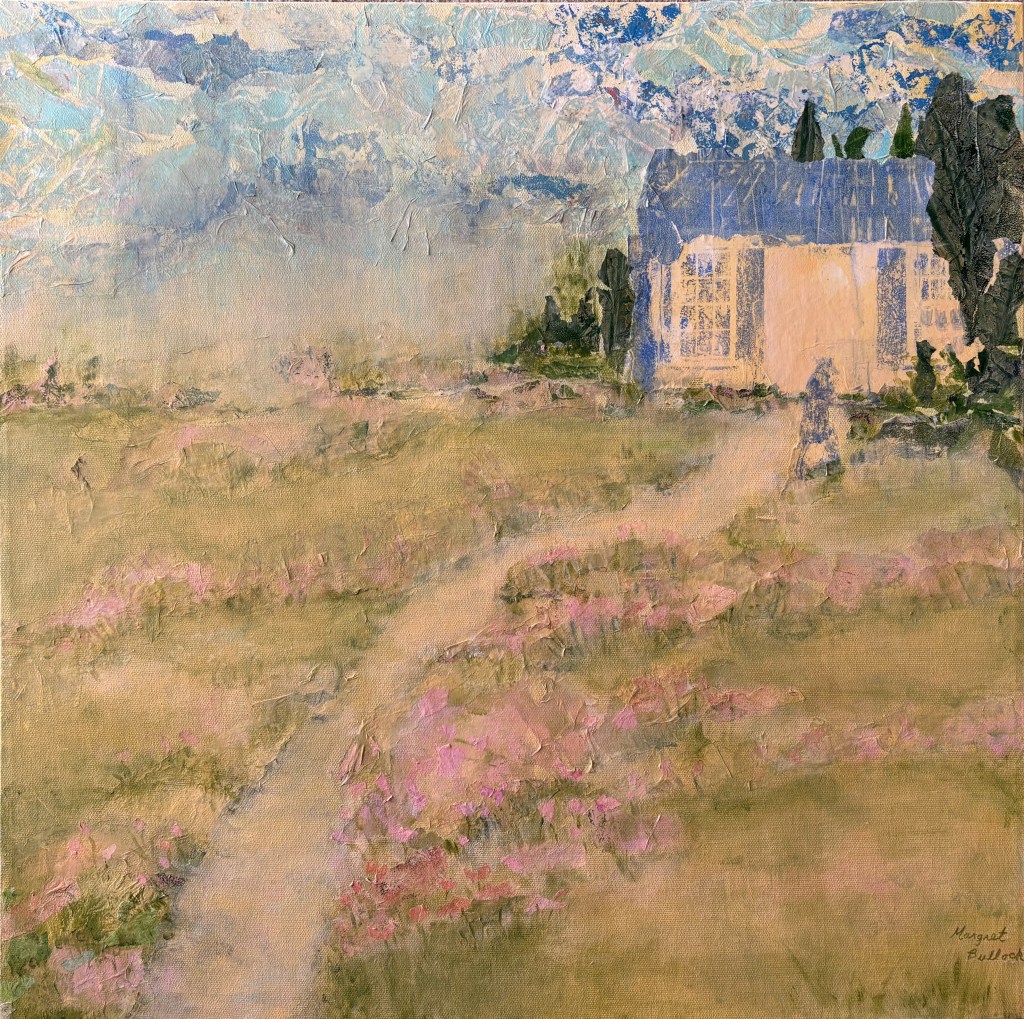
(Pictured: Lambeth Art Association artist Margret Bullock’s “Field of Dreams”, mixed media collage of an imaginary garden scene, 20 by 20 inches.)

Patricia Walker joined the LAA in 2025. She says, “I feel very lucky to be part of the Lambeth group.” When she moved back to southwestern Ontario in 1980, she enquired about joining, but the wait list at that time was years long, so she continued to work in isolation with not a whole lot of excitement about art. This, recalls Walker, resulted in a “period of non-productivity.”
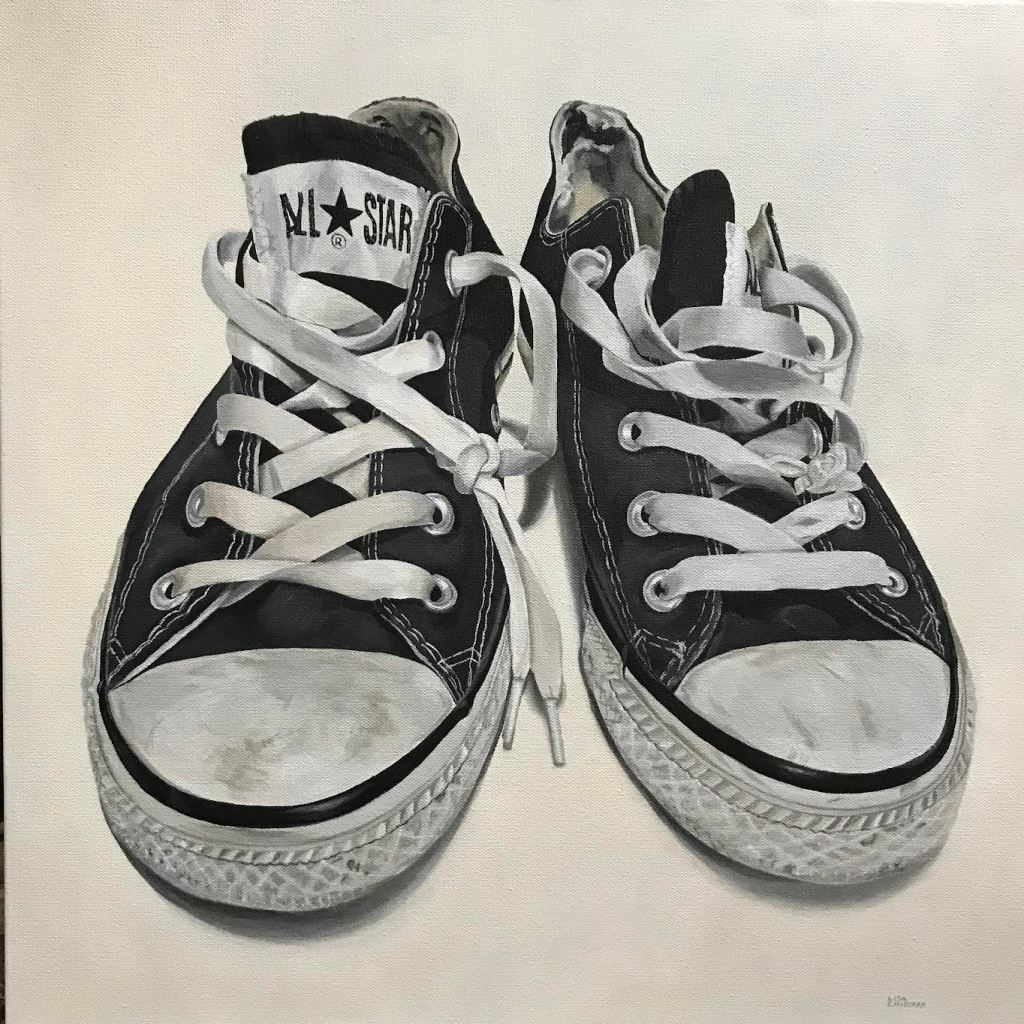
(Pictured: LAA artist Lisa Chiborak’s “Really Big Shoes”, acrylic, 20 by 20 inches.)

Walker says, “The group is friendly and willing to share their techniques, their journey and their frustrations with different mediums. It makes me want to keep creating.” In addition to the LAA, Walker belongs to the London Community Artists, the St. Thomas Art Guild, the Port Stanley Art Guild and the Creative Nomads.

For additional information, visit: https://www.lambethart.com/ or interact with the LAA on Facebook: https://www.facebook.com/lambethartassociation/
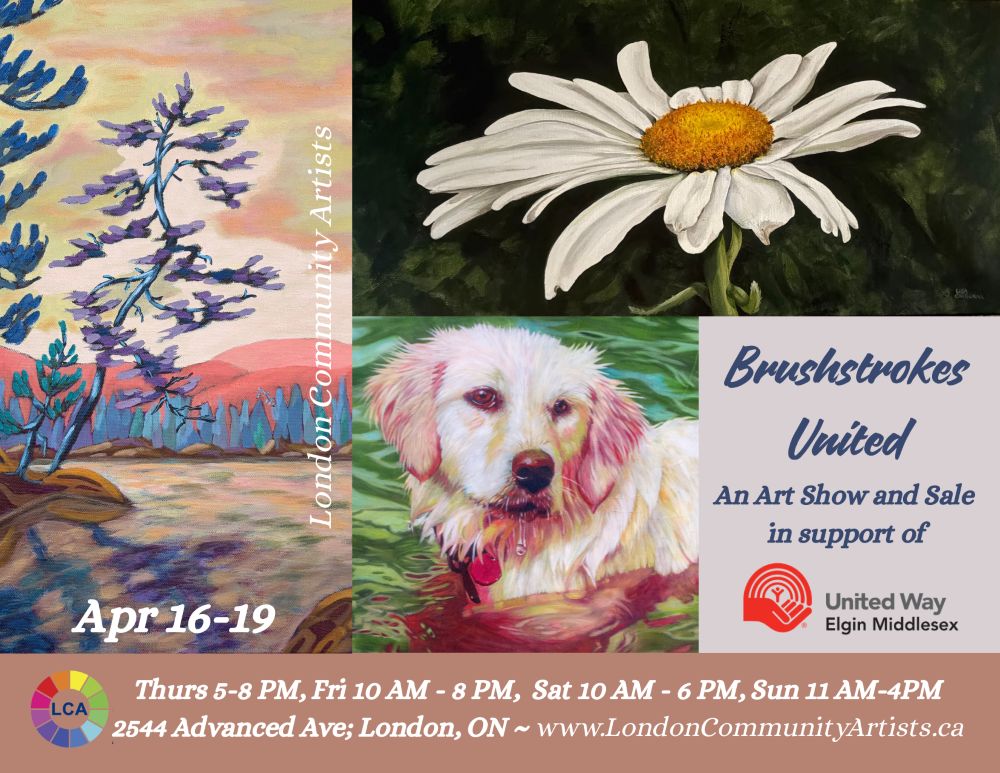
The London Community Artists (LCA) is the new kid on the block. It was formed by Wendy Jennings in 2018 in response to the lengthy wait lists to join other clubs.

Membership was initially limited to 50 members, but this was increased to 75 in 2023. Even with the expansion in membership, LCA maintains a wait list of approximately 100 hopefuls. New members are accepted in January to fill any vacancies that have come about throughout the year.

(Pictured: 09 London Community Artists’ Heather Peel, “Autumn Calm”, acrylic (mostly palette knife work), 11 by 14 inches.)

Members’ meetings feature speakers, and there are frequent “Paint Days” at Western Research Park, where members get together to paint and share some special times. The club also offers monthly art challenges in which members submit their best work in response to a specific topic. Entries are reviewed by their peers, and the first and second-place winners receive a gift card for art supplies.

In 2024, they began hosting workshops led by both internal and external experts.

The LCA has established long-term partnerships with Cherryhill Village Mall, Western Research Parks and the Children’s Hospital at London Health Sciences’ Victoria Campus. Members have art on display at each of these locations throughout the year. Their longest-running and most successful display is at the Cherryhill location, where member artists have sold over 140 pieces of art.
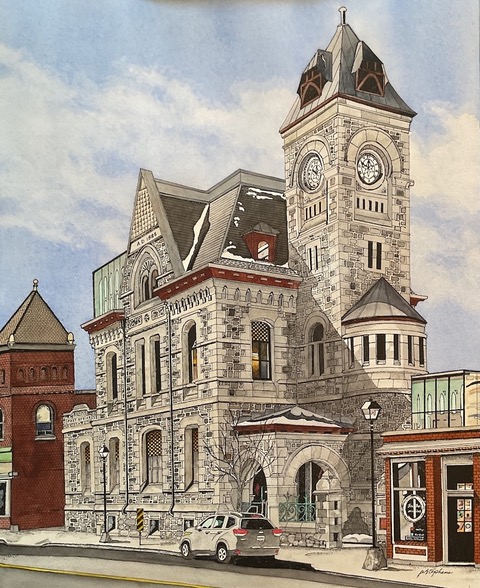
(Pictured: “Old Post Office (Cambridge)”, watercolour and ink, 16 by 20 inches, by LCA artist Bill Stephens.)

LCA hosts two major Art Shows each year: one in April and another in November. This year’s Spring Show is scheduled for April 16 to 19, 2026, at The Collider, located in the Western Research Park off Veterans’ Memorial Drive and Bradley Avenue.

Current president Bill Stephens joined in 2019. It is the only club he belongs to, and he has been involved in all the club’s activities.

Membership has served him well in his personal art journey. Stephens says, “I have learned so much from our talented members.”

For additional information, visit: https://londoncommunityartists.ca/

Written by Beth Stewart
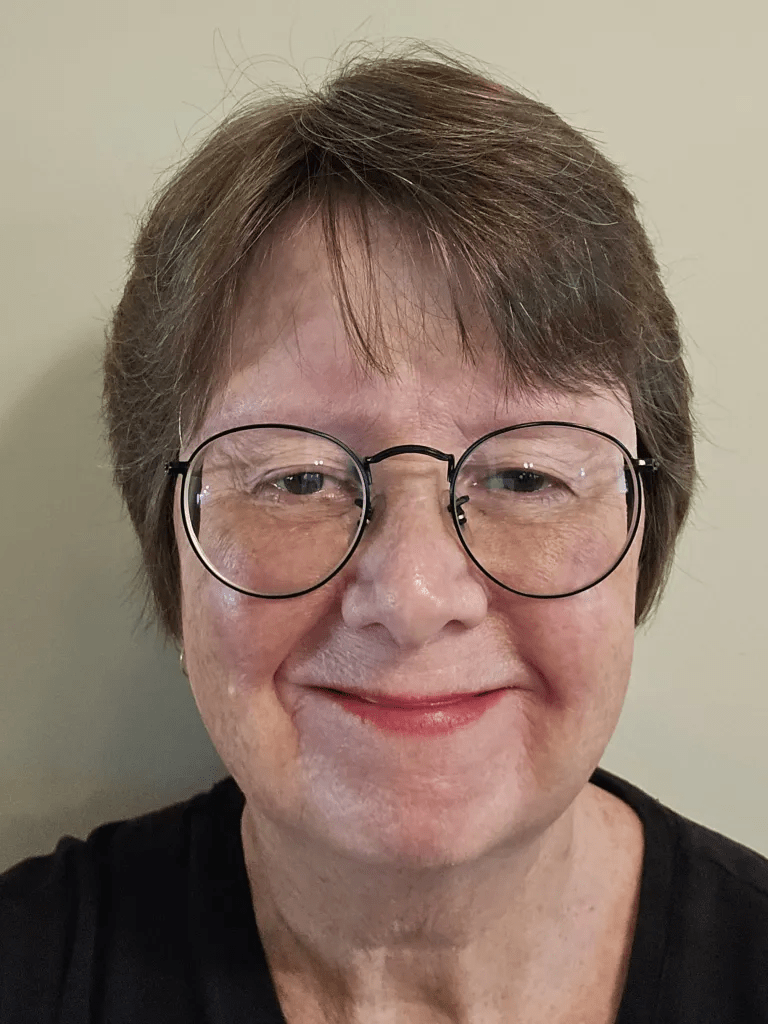
Beth Stewart is a writer, educator, and visual artist. She has a B.A. and a B.Ed. from the University of Windsor and a Diploma in Art Therapy from Western University. Beth has worked as an Art Therapist with Canadian war veterans and as a Secondary School Teacher of art and English for the TVDSB. She retired in 2024.

Beth was the arts editor at Scene Magazine from 2004 to 2006. She founded Artscape Magazine in 2006 and served as its editor until 2008. In addition, Beth wrote on the arts for Lifestyle Magazine from 2006 to 2017 and served as the copy editor for The Beat (in print) from 2009 to 2013.

As a visual artist, Beth works mainly in dry media and favours coloured pencil. Over the past decade, Beth’s focus has been on wild and domestic birds. Beth is a member of the Coloured Pencil Society of America, the Gallery Painting Group, the Eclectic Collage Collective, the Lambeth Art Association, and a founding member of the Coloured Pencil Artists of Canada group.

Web: https://bethstewart.ca/

Facebook: https://www.facebook.com/profile.php?id=100009620916363
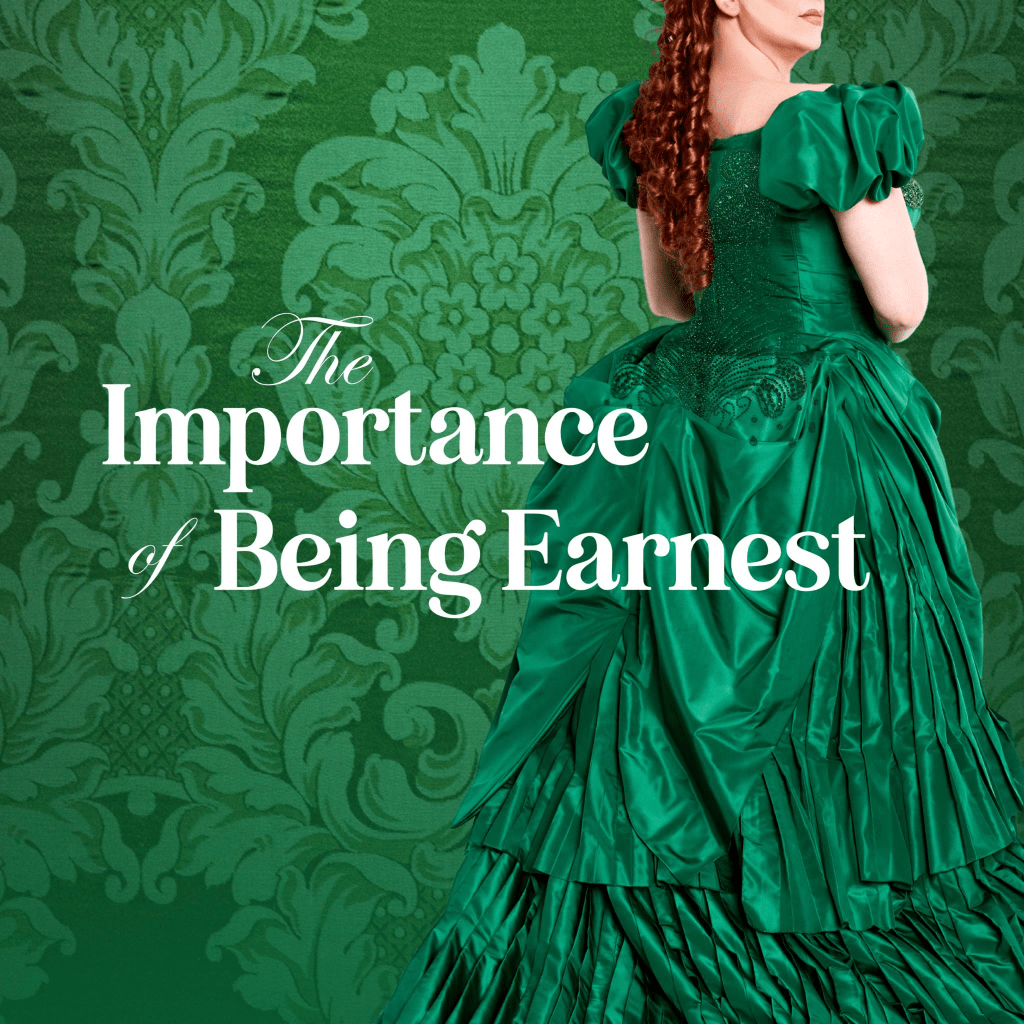
The Importance of Being Earnest: A Riot of Colour and Wit – If You Can Keep Up!

by Richard Young

Reviewed by Jo-Anne Bishop

There’s a reason Oscar Wilde’s The Importance of Being Earnest has endured for well over a century. Premiering on Valentine’s Day in 1895 at London’s St. James Theatre, the play is a razor-sharp satire of Victorian society, skewering everything from marriage and class to the absurdity of social expectations. Wilde’s signature style—fast-paced, highly stylized, and dripping with irony—remains both its greatest strength and, at times, its greatest challenge.

As quoted in the director’s note, “rarely has the stiletto of dissident humour been driven so smilingly between the ribs of bourgeois convention.”  This line from Neil Bartlett perfectly captures Wilde’s enduring bite.

Now playing at the Grand Theatre, this production, directed by Alistair Newton, leans boldly into theatricality, delivering a visually striking and energetically performed interpretation that feels surprisingly modern and relevant in 2026. Wilde’s themes of performative identity, social façades, and the tension between authenticity and expectation still resonate today, perhaps even more in an age of social masking, highly curated personas and digital selves.

That said, this is not a production you can passively absorb.

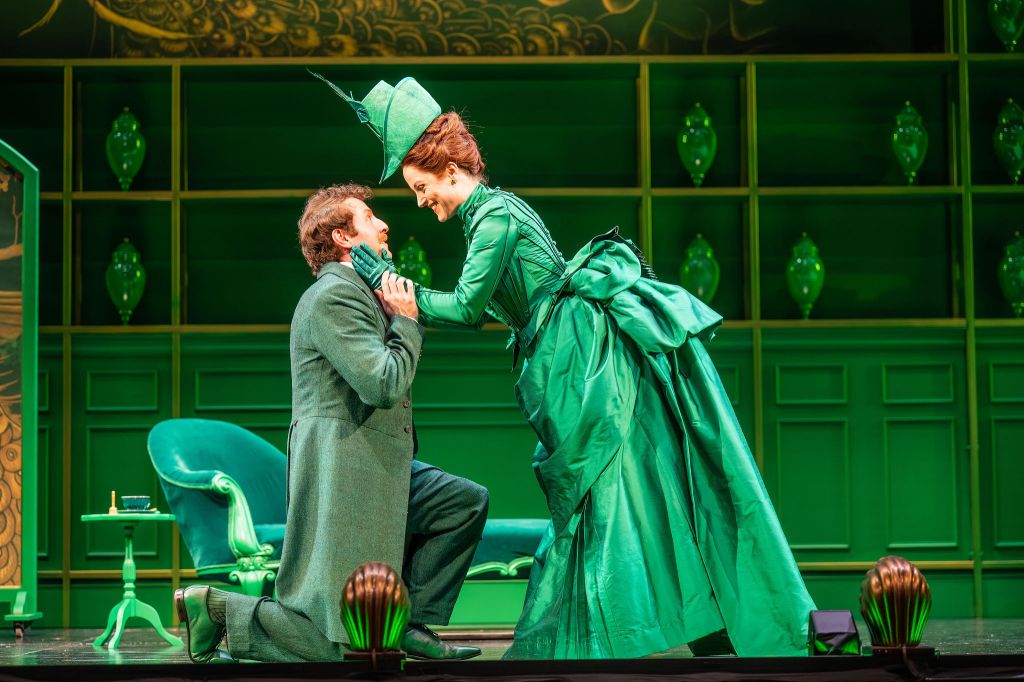
(Photo by Dahlia Katz.)

I found myself needing time to sit with the show afterwards. The rapid-fire dialogue and heightened language, true to Wilde, can be difficult to follow, especially if you’re not already familiar with the story. There were moments where I lost the thread entirely, only to piece things together in retrospect. For audiences new to the play, a bit of homework beforehand will go a long way. If you have a short attention span or struggle with dense, fast-paced English dialogue, this is one where preparation really matters.

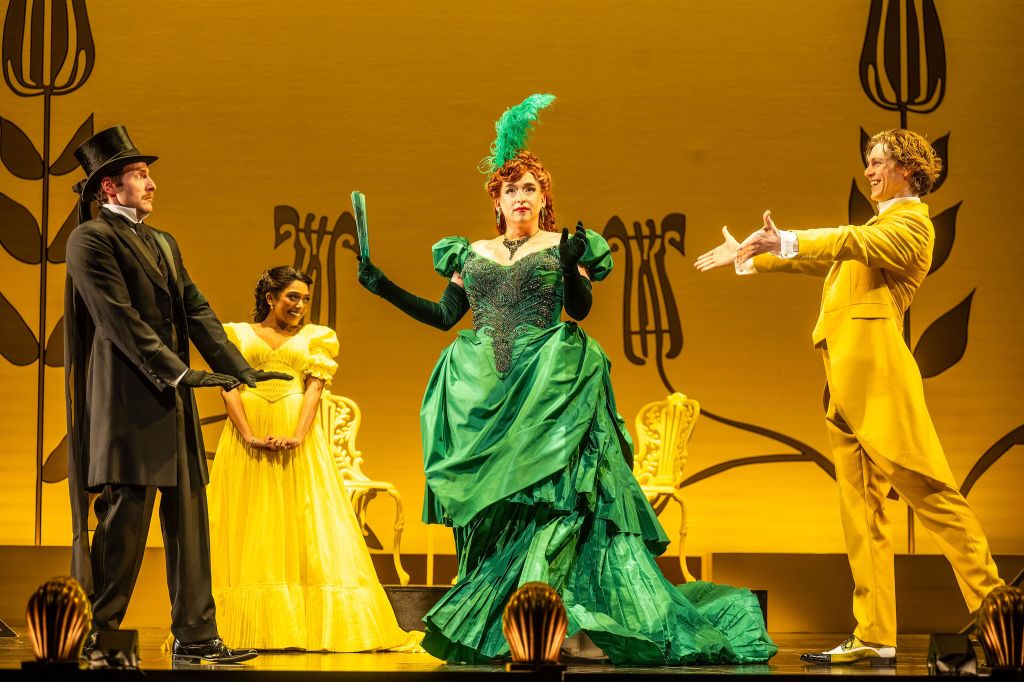
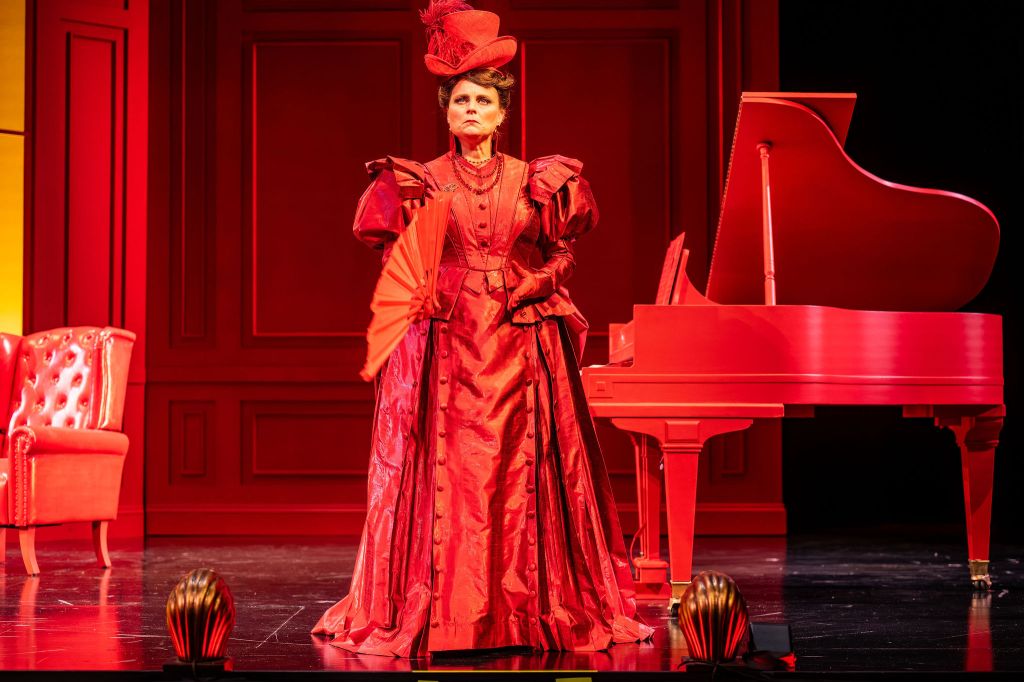
Visually, the production makes a striking and very bold statement. Set designer Michelle Tracey creates three distinct worlds across the acts: a lush, all-green opening (down to the piano and cigarette case), a fully yellow second act, and a vivid red-and-yellow third. The only figure fully in red is the formidable Aunt, commanding attention in a room that mirrors her dominance. It’s an ambitious and cohesive design, though at times, its intensity borders on overwhelming.

(Photo by Dahlia Katz.)

The costumes, designed by Judith Bowden, are pitch-perfect: bright, bold, and beautifully in sync with the set’s colour story. One exception is Cecily, whose costume felt slightly muted by comparison, causing her to fade visually in moments where she might otherwise shine. At the same time, it perfectly separated her character from the others, showing the contrast between the city’s pomp and the country’s quiet reserve.

(Photo by Dahlia Katz.)

The dialect work, coached by Phyllis Cohen, is strong throughout, helping anchor the heightened language in both clarity and rhythm.

Performance-wise, the cast is superb across the board. Deena Aziz brings warmth and precision to Miss Prism, while James Daly’s Algernon Moncrieff is delightfully playful. Julien Galipeau grounds John Worthing with charm, and Kaylee Harwood delivers a sharp, engaging Gwendolen Fairfax. As Lady Bracknell, Claire Jullien commands the stage with authority and wit, while Ben Sanders capably fills multiple roles, including Reverend Canon Chasuble and Lane.

Standout performances for me came from Billy Lake as Lady Stella Clinton and the Merriman—whose drag performance drew some of the biggest laughs of the evening—and Mirabella Sundar Singh as Cecily Cardew, who brought a delightful presence and nuance to the role.

Ultimately, The Importance of Being Earnest isn’t going to be for everyone, and this production doesn’t try to soften its edges. It’s fast, it’s dense, and it demands your attention. But if you’re willing to meet it on its level, it offers a rewarding, visually dazzling, and often very funny experience. And while there may not be a distinct message or lesson to learn, it makes a bold statement.

Overall, this is a vibrant, well-directed production with exceptional performances, inventive design, and a distinctly modern pulse. Just be prepared to keep up.

IF YOU GO:

What: Oscar Wilde’s The Importance of Being Earnest, Directed by Alistair Newton

Where: The Grand Theatre, 471 Richmond St, London, Ontario

When: March 24th to April 12th, 2026.

Tickets: $25-97, available at the Box Office or online at The Importance of Being Earnest | The Grand Theatre

Reviewed by Jo-Anne Bishop

Background and Experience in the Arts

My background in the Arts started with an early love for music and dance. I attended my first concert at 10 years old (Helix at the Sarnia Arena in 1983!) and began tap and modern jazz dance lessons around the same time. My love for live theatre was built through school trips to the Stratford Festival to see plays like Romeo and Juliet, The Merchant of Venice, and Macbeth, and a trip to Toronto for The Phantom of the Opera, which quickly became my all-time favourite.

I dreamed of performing for many years, but being too self-conscious to audition in high school, I sat on the sidelines and instead reviewed music and theatre for our school newspaper. In 2013, I finally pushed my fears aside and was cast in my first play, Laughter on the 23rd Floor, as Carol Wyman, the only female writer on the Max Prince show. I have since performed in productions of Birth (Jillian, 2016), Hamish (Annette, 2023) and The Curious Incident of the Dog in the Nighttime (Mrs. Alexander, 2024).

Previous Reviewing Activities

SCITS, Sarnia, Ontario – High school newspaper reviewer for Music and the Arts

London Fringe Festival, London, Ontario, 2012-2015

Independent Reviewer and Blogger (Theatre in London and The Pollyanna Papers), 2015-2016?

Why am I jumping back into the fray now?

After performing for a few years, I’ve decided to take a break from the grind of auditioning, rehearsing and performing. While I love it immensely, it’s a lot of work. Performing has given me a whole new perspective and appreciation of what goes into a production and the ability to look at reviewing with a fresh set of eyes.

Thoughts about the London arts and culture scene, especially local theatre

Hoo wee! London has such a wealth of talent, from youth to adults. Every time I see a play, I am amazed at how talented our actors, directors, producers, set/prop/costume/light/, and sound designers are. I don’t think causal observers realize just how much goes into making a production from the audition to the curtain call. It is a huge undertaking, and to think our theatres produce such world-class productions on some very tight budgets is astounding, especially at the community theatre level, where volunteers do everything.

Sadly, since COVID, I have witnessed a huge decline in attendance at performances, and it breaks my heart. I have also noticed a sad lack of reviews lately, which I find are necessary to give people an idea of what to expect and a reason to go to the theatre.

So, before I can put my feet on the stage again, I want to help put bodies in the seats. We need to reignite a love for theatre and the arts in this city.

A Killer Performance Anchors a Sharp “Prescription: Murder”

by Richard Young

Reviewed by Jo-Anne Bishop

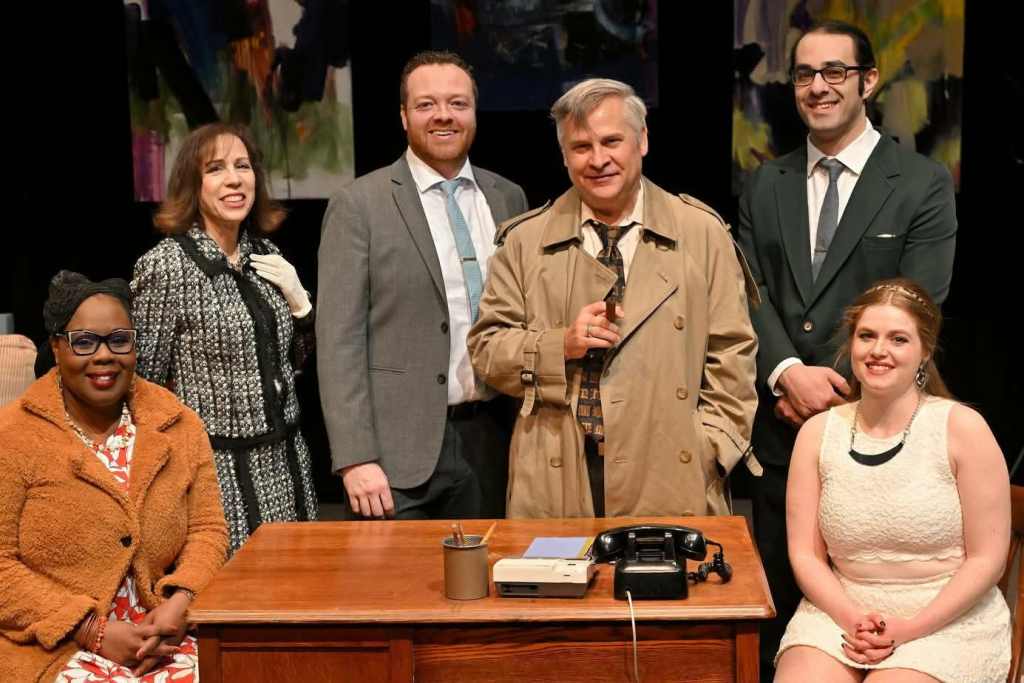
(Pictured: Cast of Prescription: Murder, Tameka Brown, Eve Cohen, Andre Cormier, David Pasquino, Sam Didi, and Makayla Ashenden. Photo Credit: Ross Davidson.)

Murder is rarely this polished – or this fun to watch.

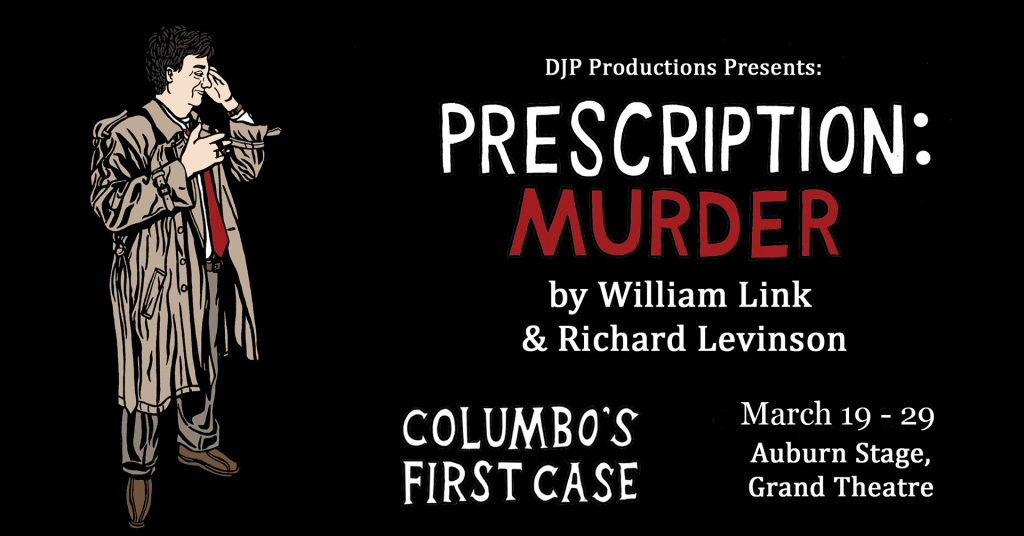
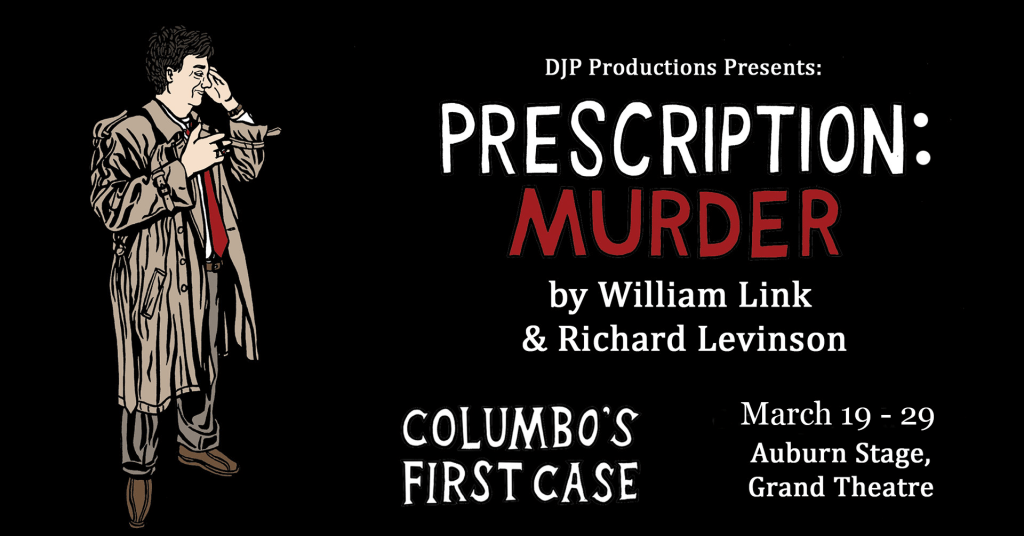
On the Auburn Stage at the Grand Theatre in London, Ontario, Prescription: Murder wastes no time pulling its audience into a sleek, slow-burning game of cat and mouse. Running March 19–29 and directed by Stephen Mitchell, this black box production leans into intimacy and largely thrives because of it.

Originally written by William Link and Richard Levinson, the play serves as the foundation for the iconic television detective Columbo. The story centres on a brilliant and calculating psychiatrist who believes he has devised the perfect crime, only to find himself gradually entangled in a battle of wits with the seemingly unassuming Lieutenant Columbo. What unfolds is less a traditional whodunit and more a tense psychological chess match, where the outcome feels inevitable, but the journey is where all the intrigue lies.

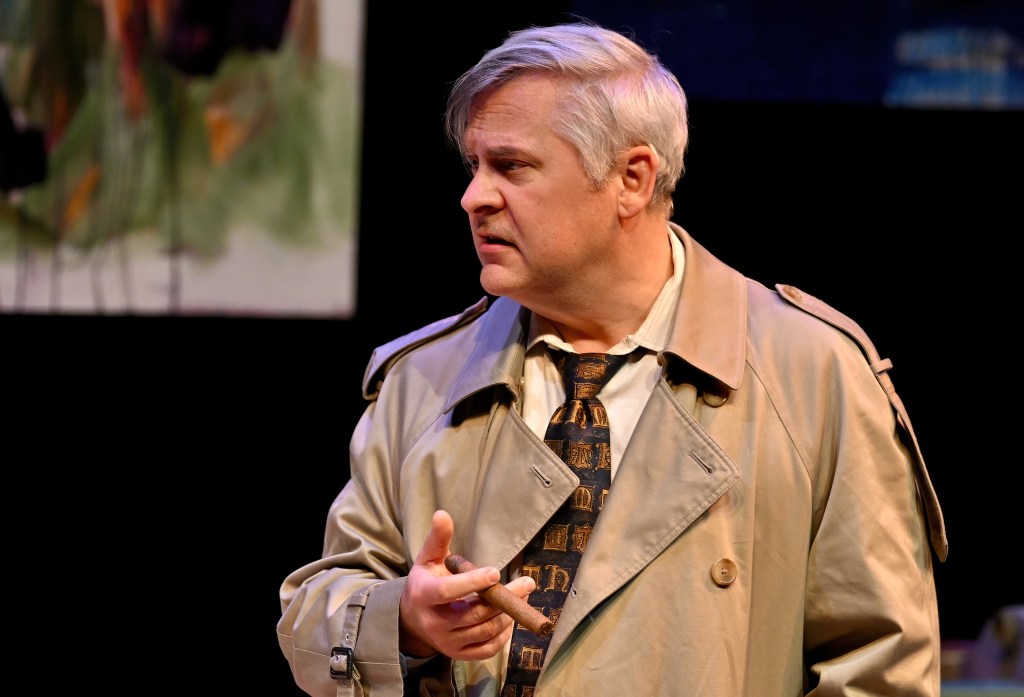
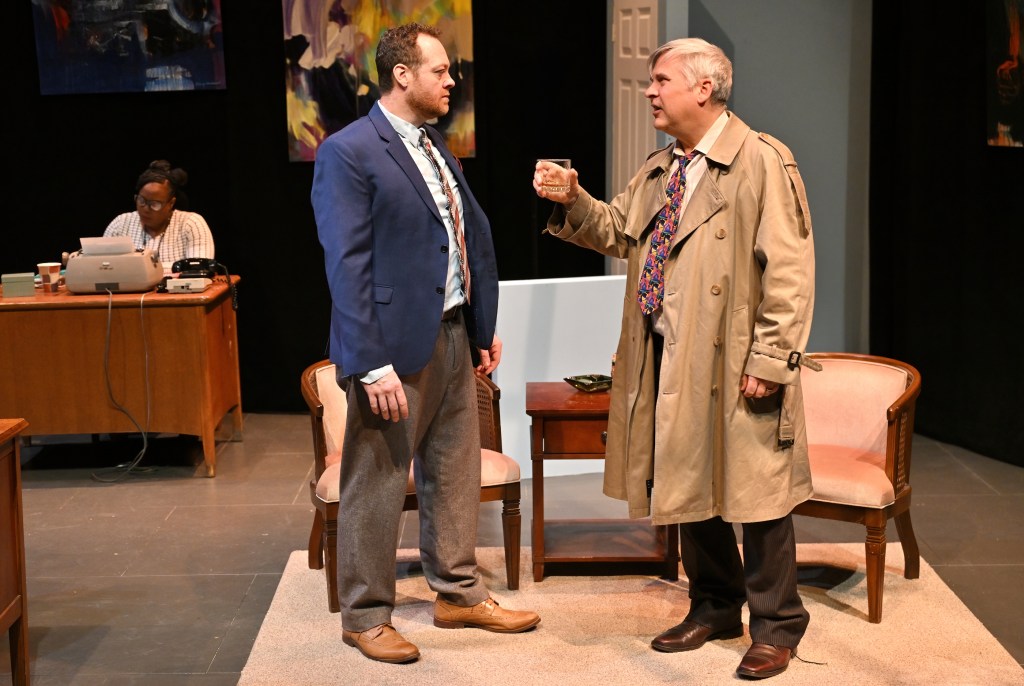
(Pictured: David Pasquino as Lieutenant Columbo. Photo Credit: Ross Davdson.)

The ensemble is tight and reliable across the board. Makayla Ashenden brings a grounded vulnerability to Susan Hudson, while Tameka Brown and Eve Cohen offer strong, steady support as Miss Petrie and Claire Flemming. Sam Didi moves seamlessly through dual roles, and David Pasquino’s Lieutenant Columbo is understated, patient, and quietly probing—exactly what the role demands.

But let’s be honest: this is André Cormier’s show.

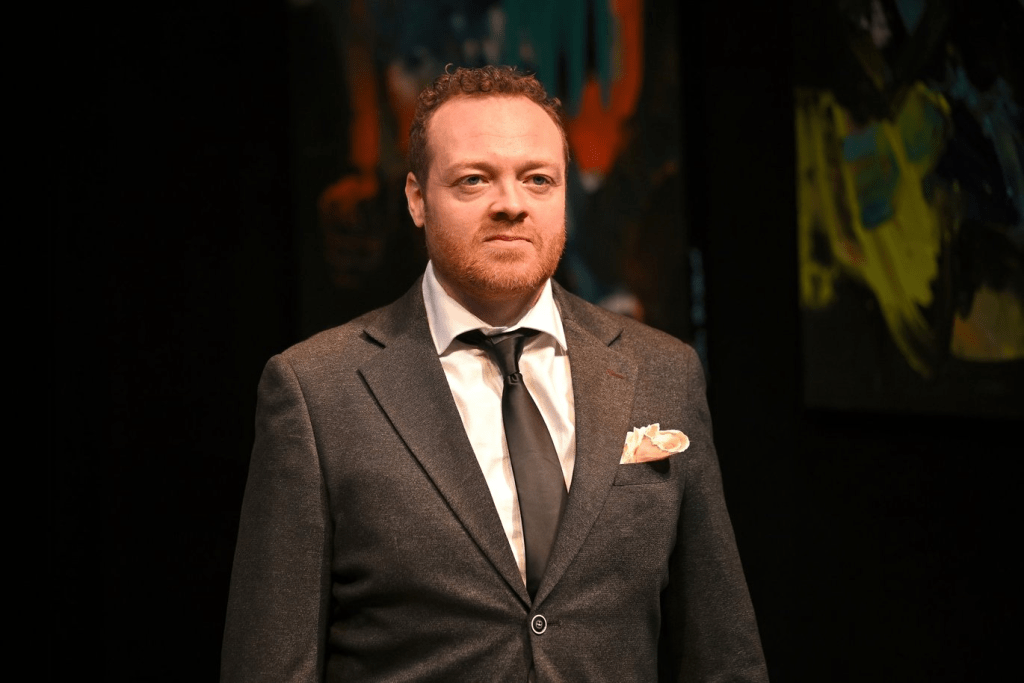
(Pictured: Andre Cormier as Dr. Roy Flemming. Photo Credit: Ross Davidson.)

As Dr. Roy Flemming, Cormier delivers a performance that is sharp, controlled, and magnetic. He walks a perfect line between charm and menace, with only the slightest of line slips in an otherwise near-flawless turn. What stands out most is his precision. Every look and every pause feels intentional. His seething, barely contained irritation with Columbo simmers just beneath the surface, and it’s riveting to watch. You don’t just see the character unravel; you feel it.

The staging makes smart use of the black box space, carving out distinct environments—the doctor’s office, reception area, apartment, and Columbo’s workspace—without overcomplicating things. A few of the scene changes occasionally drag a beat too long, but they’re supported by effective lighting and sound that keep the tension alive.

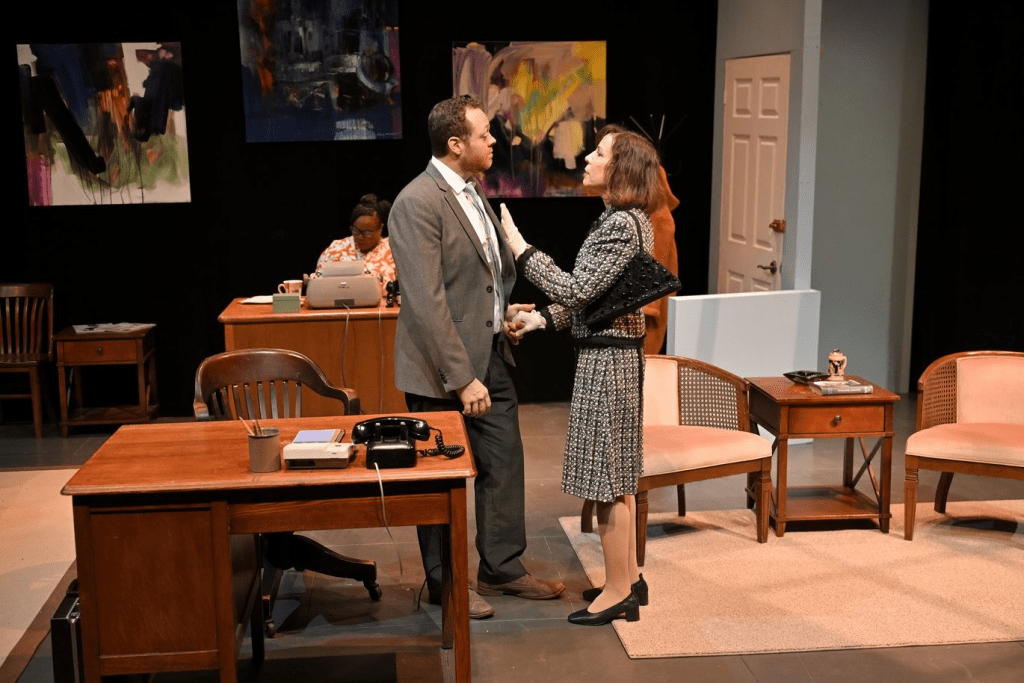
(Pictured: Tameka Brown as Miss Petrie, Andre Cormier as Dr. Roy Flemming, and Eve Cohen as Claire Flemming. Photo Credit: Ross Davdson.)

Costuming and attention to detail further ground the production in authenticity. Each character is clearly defined through wardrobe, but it’s Lieutenant Columbo who benefits most from these thoughtful choices. David Pasquino appears perfectly dishevelled with mussed hair, a slightly rumpled coat, and even an untied shoe that subtly reinforces the character’s offbeat, absent-minded persona. It’s a small but effective touch, and one that adds texture and believability without feeling trite or overstated.

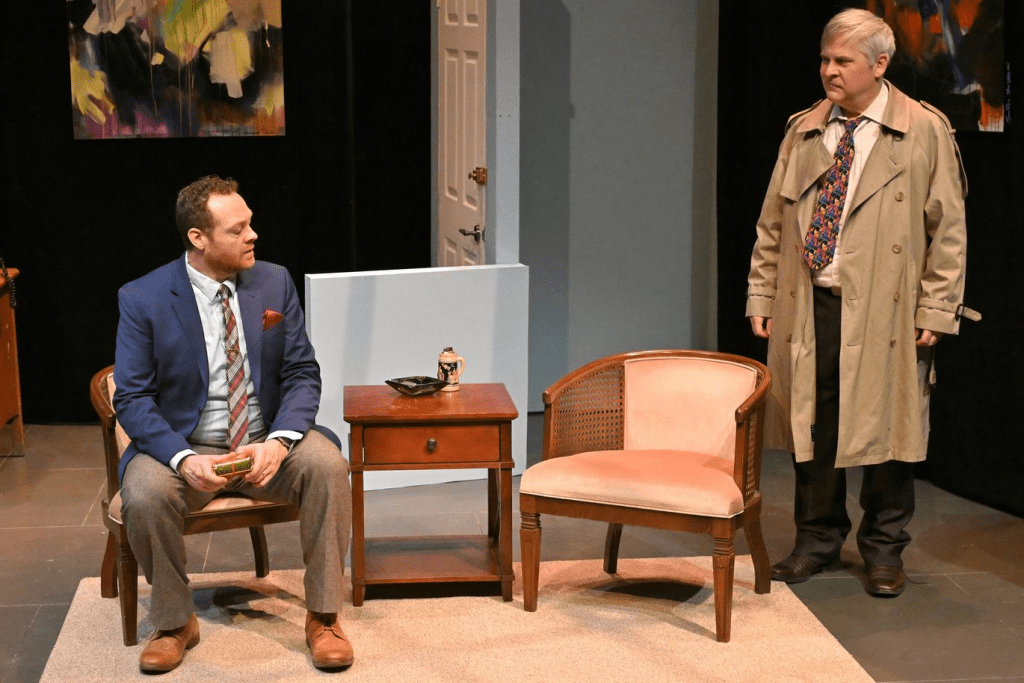
(Pictured: Andre Cormier as Dr. Roy Flemming and David Pasquino as Lt. Columbo. Photo Credit: Ross Davdson.)

There are a few minor cracks in the illusion. Some set pieces wobble when doors are slammed, which briefly pulls focus. But these moments are small and quickly forgotten. Overall, this Prescription: Murder is lean, engaging, and anchored by a standout central performance. It’s a confident piece of theatre that knows exactly what it’s doing—and for fans of classic detective drama, it absolutely delivers.

IF YOU GO:

What: DJP Productions presents Prescription: Murder by William Link and Richard Levinson

When: March 19-29, 2026

Where: Auburn Stage, Grand Theatre, 471 Richmond St, London Ontario.

Tickets: $31.70-$36.70  Prescription: Murder | The Grand Theatre

Reviewed by Jo-Anne Bishop.

Background and Experience in the Arts

My background in the Arts started with an early love for music and dance. I attended my first concert at 10 years old (Helix at the Sarnia Arena in 1983!) and began tap and modern jazz dance lessons around the same time. My love for live theatre was built through school trips to the Stratford Festival to see plays like Romeo and Juliet, The Merchant of Venice, and Macbeth, and a trip to Toronto for The Phantom of the Opera, which quickly became my all-time favourite.

I dreamed of performing for many years, but being too self-conscious to audition in high school, I sat on the sidelines and instead reviewed music and theatre for our school newspaper. In 2013, I finally pushed my fears aside and was cast in my first play, Laughter on the 23rd Floor, as Carol Wyman, the only female writer on the Max Prince show. I have since performed in productions of Birth (Jillian, 2016), Hamish (Annette, 2023) and The Curious Incident of the Dog in the Nighttime (Mrs. Alexander, 2024).

Previous Reviewing Activities

SCITS, Sarnia, Ontario – High school newspaper reviewer for Music and the Arts

London Fringe Festival, London, Ontario, 2012-2015

Independent Reviewer and Blogger (Theatre in London and The Pollyanna Papers), 2015-2016?

Why am I jumping back into the fray now?

After performing for a few years, I’ve decided to take a break from the grind of auditioning, rehearsing and performing. While I love it immensely, it’s a lot of work. Performing has given me a whole new perspective and appreciation of what goes into a production and the ability to look at reviewing with a fresh set of eyes.

Thoughts about the London arts and culture scene, especially local theatre

Hoo wee! London has such a wealth of talent, from youth to adults. Every time I see a play, I am amazed at how talented our actors, directors, producers, set/prop/costume/light/sound designers are. I don’t think causal observers realize just how much goes into making a production from the audition to the curtain call. It is a huge undertaking, and to think our theatres produce such world-class productions on some very tight budgets is astounding, especially at the community theatre level, where volunteers do everything.

Sadly, since COVID, I have witnessed a huge decline in attendance at performances, and it breaks my heart. I have also noticed a sad lack of reviews lately, which I find are necessary to give people an idea of what to expect and a reason to go to the theatre.

So, before I can put my feet on the stage again, I want to help put bodies in the seats. We need to reignite a love for theatre and the arts in this city.

Q&A Interview with David Pasquino, Founder of DJP Productions

by Richard Young

What follows is a Q&A Interview with David Pasquino, founder of DJP Productions, who also plays Lieutenant Columbo in the company’s inaugural production, Prescription: Murder, which plays on the Auburn Stage at the Grand Theatre from March 19 to 29.

(Pictured: DJP Productions founder David Pasquino in character as Lt. Columbo. Photo by Ross Davidson.)

Q. How did Prescription: Murder come about? Is it my understanding that its origins are to be found in an episode of the beloved TV series Columbo? Which came first – the play or the TV show?

It’s a great question, and the answer is a bit of a twist worthy of Columbo himself.

Most people assume Prescription: Murder came after the TV series, but in fact, it’s where Columbo began. The story first appeared in March 1960 as a short piece by William Link and Richard Levinson in Alfred Hitchcock’s Mystery Magazine, featuring a detective named Lt. Fisher.

The next version of the story was called Enough Rope and was featured in alive television drama on The Chevy Mystery Show. That’s where we first encounter Lt. Columbo. In the show, Dr. Flemming and his wife plan a weekend trip to Toronto (as opposed to upstate New York, as we see in the play)!

That version evolved into the stage play Prescription: Murder in 1962, which toured successfully and was headed for Broadway before the untimely death of its lead actor, Thomas Mitchell. It wasn’t until 1968 that the story was adapted into the now-iconic TV special starring Peter Falk, launching the beloved Columbo series as we know it.

So, the origin story actually runs in reverse of what most people think:
short story → live TV → stage play → TV special.

Q. What motivated you to select this particular play for DJP Productions’ first production?

Honestly? It’s Pat Sajak’s fault!

A couple of years ago, I came across an article about what Pat planned to do after Wheel of Fortune. Surprisingly, it wasn’t retirement, it was community theatre! Even more surprising? He was stepping into the role of Dr. Flemming in Prescription: Murder at the Hawaii Theatre for a fundraiser. I had no idea that Columbo had started as a play!

That stopped me in my tracks. I had grown up watching Columbo with my family, but I had no idea the character originated on stage. Curious, I ordered the script, and the moment I read it, I was hooked. The tension, the structure, the cat-and-mouse dynamic, it all felt tailor-made for live theatre. And somewhere along the way, I had a realization: I need to see this on stage… and I want to play Columbo.

I brought the idea to my talented wife, Diana Tamblyn, and instead of talking me out of it, she leaned in. She offered to take on the marketing and promotion, and together we saw the opportunity: a smart, suspenseful story with a built-in nostalgia factor that we felt would really resonate with London audiences.

So, what started as a late-night click on an article quickly turned into something much bigger: the launch of DJP Productions and our first production.


Q. Could you provide a brief plot synopsis of the play?

Without giving too much away? Okay: a murder has taken place. A certain unkempt, fumbling, cigar-smoking detective appears on the scene and must unravel the mystery while matching wits with a brilliant killer.

Q. Why did you choose to stage the play at the Auburn Theatre?

I’ve performed there before, so I already knew how special the space is, it has this intimate energy where the audience feels close enough to be part of the story, but still large enough to create real theatrical impact. For a show like Prescription: Murder, where tension and subtlety matter, that balance is everything.

As a first-time producer, that “middle ground” was important. I didn’t want something too small or something overwhelming. The Auburn sits perfectly in that sweet spot: ambitious, but manageable.

There’s also a practical side. It’s a great central location, and having the support of The Grand Theatre behind the scenes, especially for ticketing, adds a level of professionalism and confidence that’s invaluable for a first production.

To top it off, our Director, Stephen Mitchell, worked as a technician in the space for many years, so he is intimately familiar with it. In a lot of ways, the Auburn wasn’t just a venue choice; it became part of the foundation that made launching DJP Productions feel possible.

Q. The Lt. Columbo character, played so marvellously by the late Peter Falk, with all his quirks and mannerisms, must be a hoot to play. Tell me about how you prepared to play the character.

You’d think the first thing I’d do is binge-watch Columbo—but I actually did the opposite.

Peter Falk’s performance is so iconic, so deeply ingrained in all of us, that I knew if I immersed myself in it again, I’d end up doing an imitation of him, and that’s not what this play calls for. Since this version of Columbo actually predates the TV series, so my goal was to go back to the source.

Instead, I lived in the script. I read it over and over, really digging into the stage directions, the rhythm of the dialogue, the subtle cues the writers embedded. I wanted to understand who Columbo was before he became the trench coat, the cigar, the cultural icon.

That said, you can’t completely escape Peter Falk, and I wouldn’t want to. There are a few small, intentional nods in my performance, and I’m sure some of those familiar quirks will surface naturally. But the aim isn’t to replicate—it’s to rediscover.

It will be interesting to hear from people what they think. Regardless, trying to step into the shoes that Peter Falk wore so well for so long is a daunting task, and I hope that people will find my Columbo both fresh and… comfortably familiar.

(Pictured: Tameka Brown as Miss Petrie, André Cormier as Dr. Roy Flemming, and David Pasquino as Lt. Columbo. Photo by Ross Davidson.)

Q. What have been your major challenges getting into the character? Any fear that audiences will spend too much time comparing your portrayal to that of Falk?

I have woken up early many mornings worrying about exactly that! Of course, I want to pay homage to Peter Falk’s Columbo, but I don’t want to be David Pasquino playing Peter Falk playing Columbo.

Again, that’s where the script comes in because it was written before Peter Falk ever took on the role, so my responsibility was to stay true to that original interpretation. I even considered dyeing my hair to resemble him more closely—but my wife made a great point: not looking like Falk might actually help the audience separate my Columbo from his.

Q. What can audiences expect from Prescription: Murder?
For those audience members who are fans of Columbo, hopefully a pleasant visit with a familiar friend. For those who are new to Columbo, an introduction to a cast of interesting, fun characters and a visit to a time before cell phones!

And for both, an enjoyable evening experiencing the twists and turns in a smart, fun story, watching a game of cat and mouse between two brilliant but unconventional people, where the outcome may be known, but how they get there is all the fun!

Q. Tell me about DJP Productions, its origins, mandate and future plans.
I set up DJP Productions for the sole purpose of putting on this show. “DJP” may be my initials, but it could also stand for “Discover Joy and Passion,” which is what I hope that everyone involved in this show, cast, crew and audience, will experience.

As for the future… let’s see how this one goes, and then I’ll see what I’m up for. Although I have had a few people approach me with ideas!

Q. Is there anything else you think our readers should know about DJP’s production of Prescription: Murder?

Let’s all have some fun and enjoy the show!

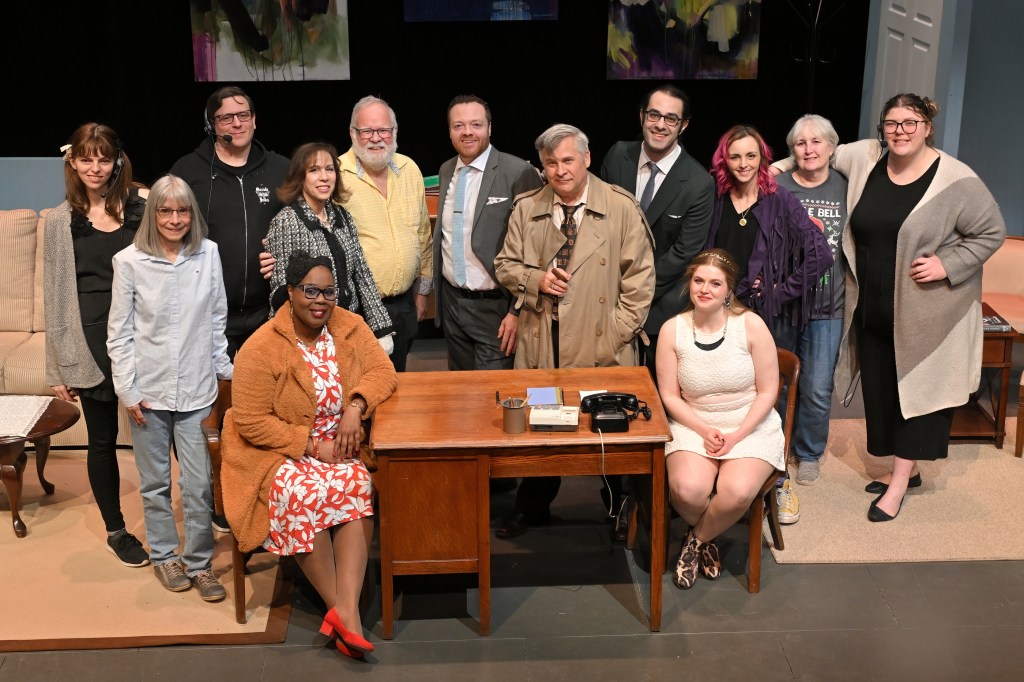
(Pictured: Cast & Crew of Prescription: Murder. Photo by Ross Davidson.)

Cast:

Tameka Brown – Miss Petrie
Andre Cormier – Dr. Roy Flemming
Eve Cohen – Claire Flemming
Makayla Ashenden – Susan Hudson
David Pasquino – Lieutenant Columbo
Sam Didi – Dave Gordon/Delivery Person

Crew:

Stephen Mitchell – Director/ Sound & Set Design
Mariann Sawyer – Stage Manager
Jessica Norrie – Assistant Stage Manager
Barbara Rand – Props Lead
Nancy Daoust – Props Assistant
Tannis Daoust – Costumes
Diana Tamblyn – Marketing & Promotion
Rob Coles – Lighting Design
David Pasquino – Producer

IF YOU GO:

What: DJP Productions presents Prescription: Murder.

When: March 19 to March 29, 2026.

Where: Auburn Stage at the Grand Theatre, 471 Richmond Street, London, ON.

Tickets: Available in-person at the Box Office, by phone at 519.672.8800, and online at Prescription: Murder | The Grand Theatre

Why Have I Revived The Beat Magazine? It’s a labour of love and more.

by Richard Young, Publisher & Content Manager, The Beat Magazine 2025.

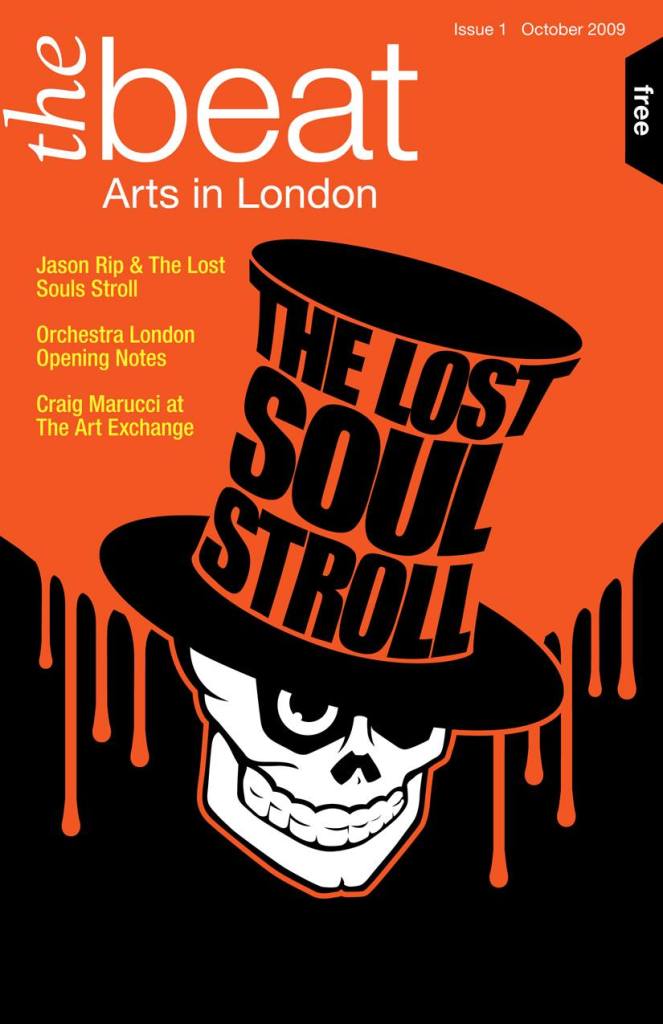
(Pictured: The Beat Arts In London, Issue 1, October 2009. Cover Art by Lionel Morise)

After a nine-year hiatus, I recently revived The Beat Magazine, an independent arts magazine I founded and published from 2009 to 2013, as The Beat Magazine 2025 website.

Since then, several of my peers and contemporaries have asked me one simple question: Why?

It’s a question I have asked myself many times over the last few weeks.

First and foremost, my reason for doing so is my humble attempt to make up for the lack of local arts and culture coverage in the mainstream media over the last several years. Frankly, I think this is criminal in a city the size of London. London and area creatives deserve better.

As one of our volunteer writers, Dawn Lyons, sums it up:

“London’s arts scene is alive with talent, creativity, and passion. It’s full of amazing artists across disciplines who continue to create, perform, and inspire, often without the recognition they truly deserve. I see The Beat Magazine 2025 as a way to showcase that energy and help connect people in the community with the incredible work happening around them.”

Much like the former print publication, the website provides timely, informed local arts news and commentary, and previews and reviews of local arts events. It also includes profiles of the area’s creatives and arts and culture venues. It is ad-free, and subscriptions are free. 

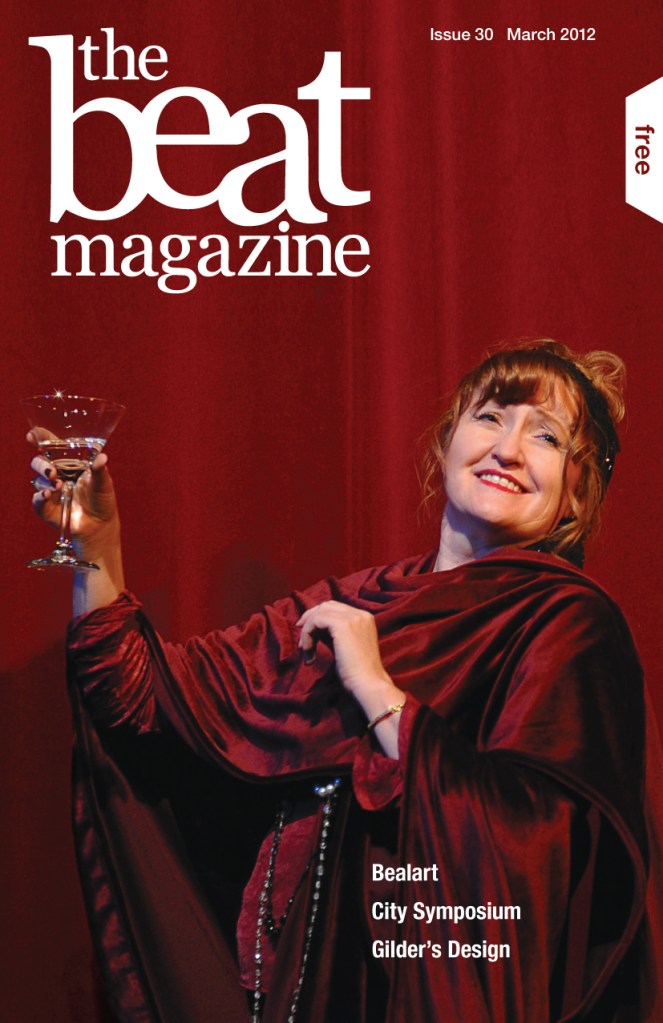
(Pictured: The Beat Magazine, Issue 30, March 2012. We featured Ceris Thomas on the cover. Ceris was appearing in The Drowsy Chaperone, then playing at the Palace Theatre.)

Second, simply because I want to.

Since the print magazine folded in the summer of 2013, I have kept myself busy doing many things.

I wrote freelance for a variety of local print publications, including Lifestyle Magazine, Business London, London, Inc., Professionally Speaking (Ontario College of Teachers), Scene Magazine, and the Villager Group of community magazines.

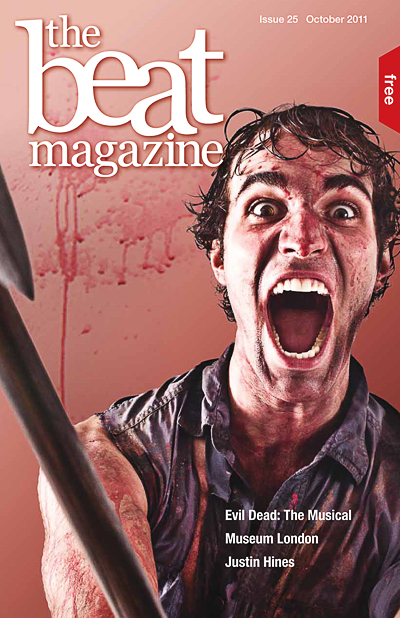
(Pictured: The Beat Magazine, Issue 25, October 2011. This cover featuring a cast member from Evil Dead: The Musical proved to be one of our most popular ones. We had difficulty keeping our stands stocked!)

I worked part-time/casually at a well-respected London Advertising & Marketing agency, writing copy about heavy industrial machinery. Talk about a learning curve! I thank owners Robert Adeland and Mina Thaler for their patience in teaching me the ins and outs of large cranes, dump trucks, excavators, and the like.

From December 2022 until August 2025, I was the Publicity and Program Department Head for Silver Spotlight Theatre, London’s theatre company that gives those 55 and older a chance to sing, dance, and perform on stage or backstage.

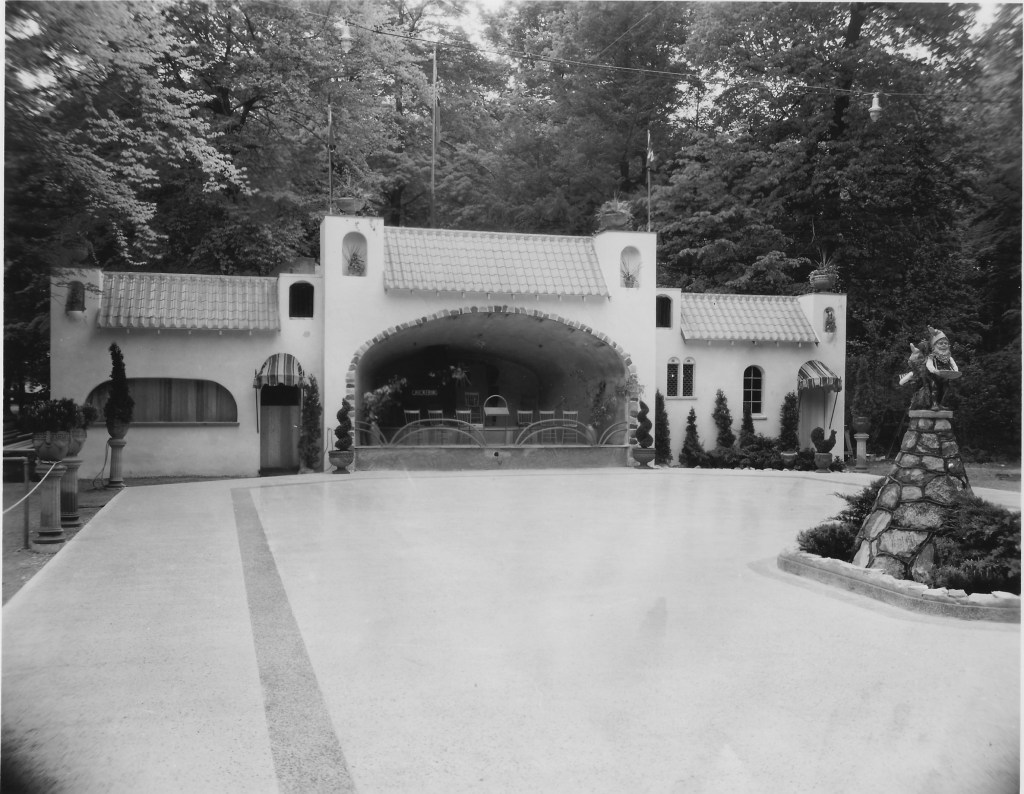
Most recently, I have served on the London Public Library’s Historic Sites Committee, the body that erects plaques around the city commemorating people and places of local historical significance. One project I take particular pride in is an Interpretive Sign Celebrating Wonderland Gardens’ Contribution to London’s Music History, which I prepared in collaboration with the City of London Culture Office. It will be officially unveiled on a date TBD.

(Pictured: The original Wonderland Gardens Outdoor Bandshell. Wonderland opened on May 24, 1935.)

That brings me up to the summer of 2025.

An unexpected medical diagnosis of Chronic Kidney Disease in July forced me to reevaluate many aspects of my life.

First and foremost, was changing my dietary and exercise habits. Gone are all processed foods, fast foods, and those with high levels of sodium and potassium. No more putting off going to the gym at least three times weekly.

Second, was relieving those things that cause me mental stress and unnecessary anxiety.

At my age (70-something), I decided that I want to fully re-engage with the local arts and culture community, rather than focusing on one aspect of it with my involvement with Silver Spotlight Theatre.

I also want to work at my own beck and call and not be accountable to others who may not always share my at times unbridled enthusiasm and relentlessness.

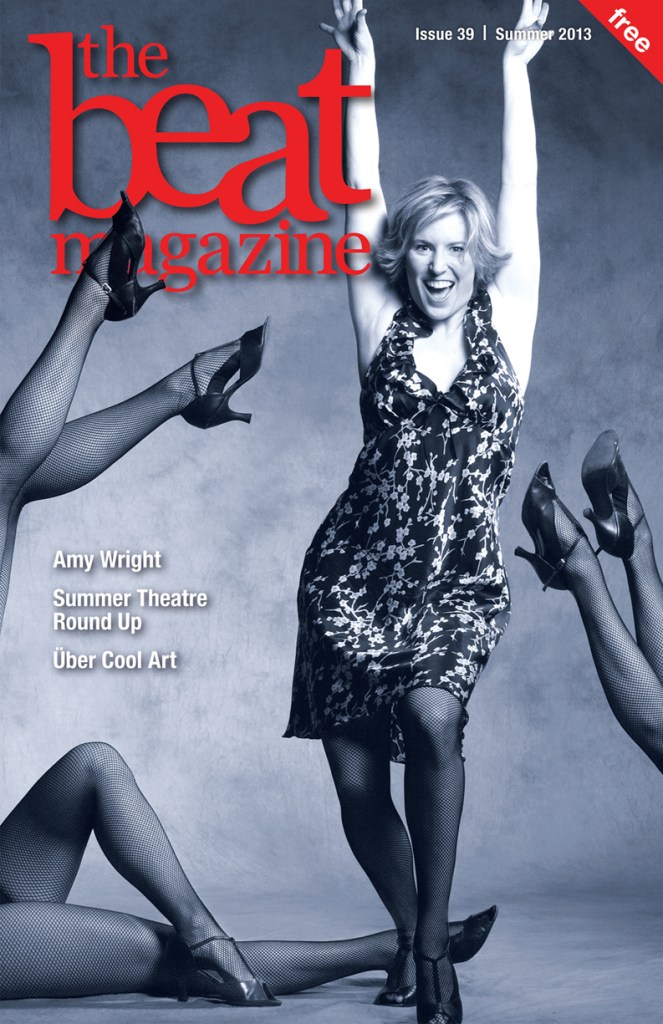
(Pictured: The final issue of The Beat Magazine, Summer 2013, featuring London dancer and choreographer, Amy Wright, on the cover)

In short, reviving The Beat Magazine seemed to be the best course of action to follow at this point in my life.

Has it taken up a lot more of my time than I thought? Hell, yes! But it’s my time and I love it.

Is there any financial return? Hell no! It’s strictly, to use the old cliche, a labour of love.

So, welcome to the new Beat Magazine in the form of The Beat Magazine 2025 website!

Let us know what you would like us to cover. Let us know if you would like to volunteer some writing about the local arts and culture scene. Let us know how we’re doing. What’s working and what’s not working.

Contact me at richardyoung@thebeatmagazine2025.ca

Thanks for taking the time to read this.

Richard Young, Publisher & Content Manager, The Beat Magazine 2025, https://thebeatmagazine2025.ca/