
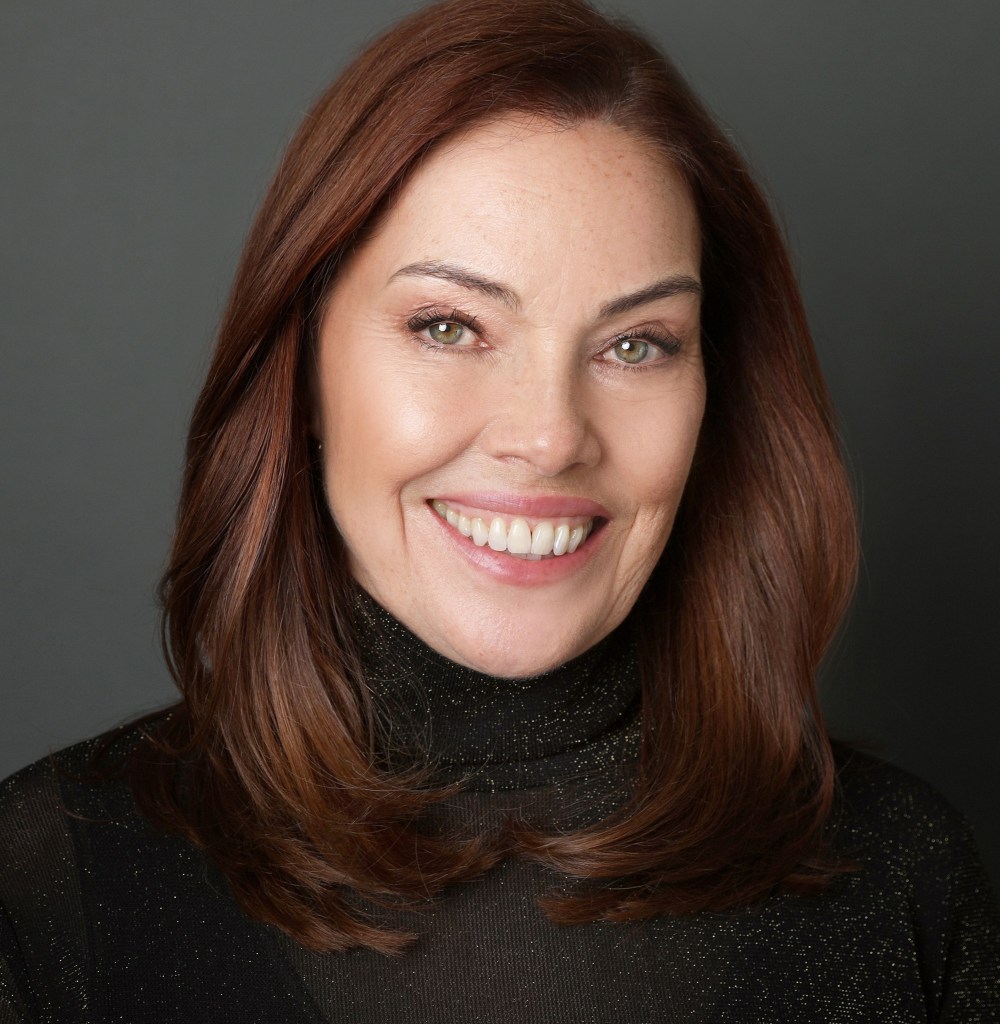
Laurraine Sigouin, a bilingual jazz singer and Forest City London Music Award winner, has performed at top London venues like Aeolian Hall, the Home County Music and Arts Festival, and the popular Jazz for the People concert series. The following is an edited Q&A from The Beat Magazine’s 2009 interview with Laurraine.
Could you tell me about your upbringing and your early musical endeavours as a child and teenager?
I grew up in Cochrane, Ontario, as the youngest in my family. I am proud of my French-Canadian roots. Surrounded by music from an early age, I began playing piano early and developed a lifelong passion for music.
What brought you to London?
At nineteen, I left home to study Music and French at the University of Western Ontario. This marked the beginning of my journey in both the arts and education.
Could you tell me about your career in education?
I had a fulfilling career teaching Music at Kensal Park French Immersion School in London. I am very grateful for the many years I spent sharing the joy of music with my students.
Can you cite some highlights of your teaching career?
When I first started teaching music, I taught the entire program from Kindergarten through Grade 8. It was such a joy to guide students from their very first music lesson all the way to their final band concert. Watching each child develop their skills and grow in confidence — in their own unique way — was incredibly rewarding. Being part of that full journey was one of the true highlights of my teaching career.
I loved all our concerts, but one of the most meaningful traditions was taking my Junior Choir — often 100 to 120 children — to perform at Parkwood Hospital. The tradition began when my father was a resident there and continued long after he was gone, right up until my final year of teaching.
It was truly the highlight of the year for me and for many in the choir. When my father lived there, the kids were especially excited to go and sing for him. Jake Levesque accompanied those concerts as well, adding his warmth and musicianship to the experience.
How long have you been playing music professionally?
I’ve been performing since 1997, when I started working with Mosaic, a vocal trio alongside Catherine McInnes and Jake Levesque.
Do you consider yourself a full-time or part-time musician?
Most of my days revolve around music in one way or another; it takes up a huge part of my life, whether I’m preparing for a concert, teaching my grandchildren, playing the piano, learning a new song, or just listening.
In addition to vocals and piano, do you play any other musical instruments?
I didn’t pursue wind instruments as a performer, but during my music studies at Western, I gained enough of a foundation to teach them. I found immense joy in guiding students through their first notes, and helping them grow musically was a true privilege.
What have been your musical influences over the years? How would you describe your musical style?
My musical tastes are quite diverse and eclectic, so it’s hard to pinpoint specific influences. I’m drawn to a wide range of styles, and I think that variety naturally shapes how I connect with music. I listen to a lot of Radio-Canada and love discovering artists or songs I haven’t heard before. That constant sense of discovery is what keeps music exciting for me.
My songbook draws inspiration from a wide variety of styles, including jazz, Latin, cabaret, bossa nova and samba, contemporary Québécois pop, French-Canadian traditional music, and Cajun music. It features artists and bands like Harmonium (Serge Fiori), Robert Charlebois, Charles Aznavour, Serge Gainsbourg, Édith Piaf, Henri Salvador, Pink Martini, Beausoleil, Zachary Richard, and Compagnie Créole. I also cover songs written by my very talented friends Steve Hardy and Jake Levesque — some of which are the result of collaborative songwriting projects.
Tell me about the various groups and musicians you have played with over the years.
My performance career includes many years singing with London Pro Musica, as well as performing with the vocal trio Mosaic. Mosaic recorded two albums and appeared at major events, including the Montreal Jazz Festival and Home County Folk Festival.
In 2004, Jake Levesque and I founded Enchanté to celebrate our Francophone and bilingual repertoire. The duo grew into a vibrant musical family featuring some of London’s finest jazz musicians. I am honoured that Enchanté received the 2025 Forest City London Music Award for Jazz Vocal (Solo/Group). Making music with this group remains one of the greatest joys and highlights of my life and musical career.
Do you have any memories of the late Jake Levesque you would like to share?
There are so many special memories. I met Jake in 1997 when we formed Mosaic. We rehearsed two to three times a week, and we always had so much fun when we worked together. That same spirit carried into our time with Enchanté as well.
Jake also accompanied all my ensembles at Kensal Park. As school concerts approached, our weekly Enchanté rehearsal time was often dedicated to arranging and going over music for my school choirs. And he did all of that with joy.
My students could hardly contain themselves when Monsieur Levesque walked into the gym — it was like a rock star had arrived. He always spoke en français and never missed a chance to encourage and celebrate their talent.
A beloved school tradition was ending our Concert des Fêtes with Jake’s performance of Linus and Lucy. Former students still tell me that every time they hear it, they think of Monsieur Levesque — for many families, it became a holiday highlight.
He gave his time and talent with such generosity.
What are some of the musical venues where you have performed?
I have performed at many of the city’s beloved venues, including Aeolian Hall and Ironwood Kitchen and Grill, and at events such as the London Jazz Festival, Jazz by the Bog, the Springbank Garden Concert Series, The Aeolian Jazz and Musical Arts Festival, and le CFA-Forum provincial.
Are you working on any special projects or have any upcoming gigs you would like readers to know about?
A special project that I’d like to mention is a recording of the compositions that Jake and I wrote together. We were thrilled to collaborate with Christoph Babin (sound engineer), Stephen Holowitz (piano), Paul Stevenson (trumpet), Jesse Grandmont (fiddle), and Leah Grandmont (fiddle). Their musicianship is truly extraordinary, and we were absolutely thrilled with the results. The recording is available on my Bandcamp page. if you search for my name on the Bandcamp site https://bandcamp.com/, you’ll find our songs there.
I also have an upcoming porch concert on September 1 on Elmwood Ave in Old South. Stephen Holowitz will be joining me on piano, and Paul Stevenson on trumpet. It’s open to the public, so if anyone would like more information about that or future events, you can find me on Facebook by searching my name or Enchanté and follow me on Instagram at @Laurrainesigouin.
In addition to your musical endeavours, are you involved with any other arts organizations or activities in London?
At the moment, I’m not involved with other arts organizations in London. Between my musical work, supply teaching, and family life, my days are pretty full. That said, I’m always open to new collaborations or opportunities within the arts community.
Is there anything else you think our readers should know about Laurraine Sigouin, the musician, and Laurraine Sigouin, the individual?
Today, I find joy making music with my grandchildren, supporting my oldest as he learns violin and teaching piano to my younger ones, and continuing to share my love of music both in performance and at home.