On This Day In London History: Remembering London’s Victoria Day Steamboat Disaster, May 24, 1881.

(Source: Canadian History Ehx)
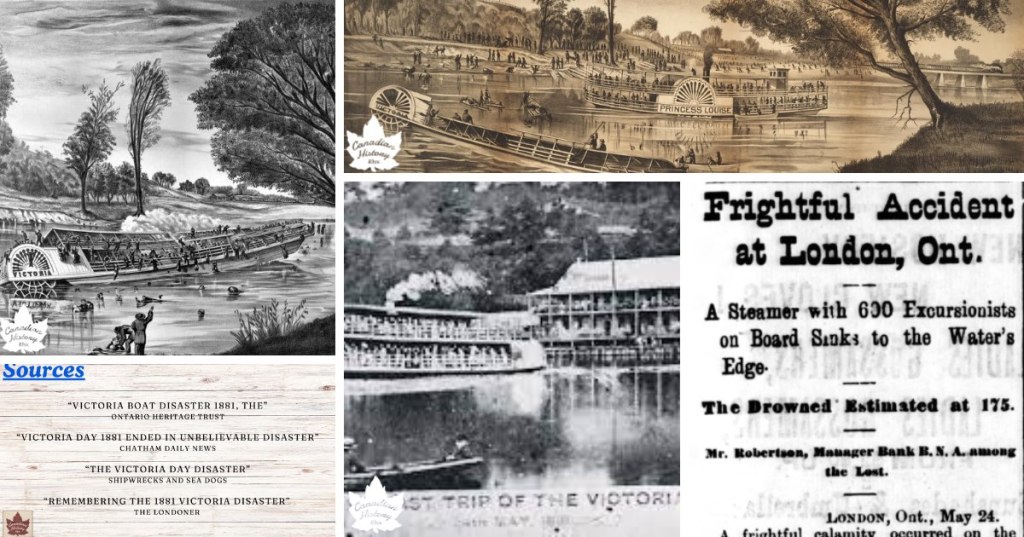
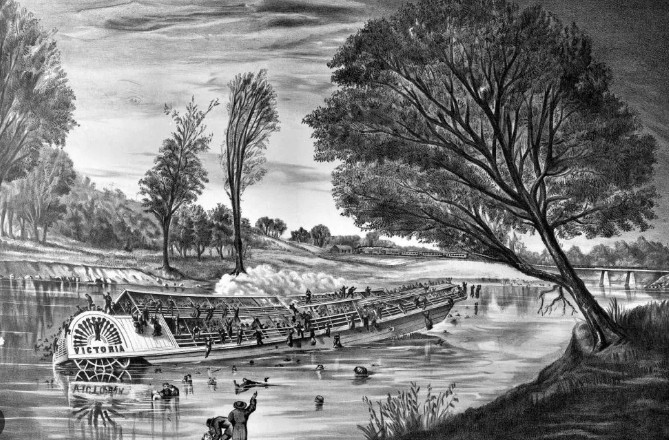
When 600 people crowded onto a boat in the Thames River near London, Ontario, on May 24, 1881, they expected a nice voyage to celebrate Victoria Day.

Instead, it became one of Canada’s worst maritime disasters that left nearly 200 dead.

This is the story.

In the 1870s, as London’s population grew, passenger boats began to appear that ran on the Thames River.

In 1878, the Forest City was launched, followed by the Princess Louise and Enterprise in 1879, the Admiral in 1880, and the Victoria that same year.

The Victoria was a paddle-wheel ship powered by a 60-horsepower boiler. She had two decks and ran 24 metres long. Built at a cost of $5,000, she could accommodate 300 people at full capacity.

Typically, Victoria Day was the busiest day for the ships on the Thames.

On May 24, 1881, the Victoria began transporting people along the river at 9 a.m. She made two round-trip river trips on the river twice before docking at London, Ontario, at 3:30 p.m. to reload with passengers with a 5 p.m. departure.

After the Forest City ran aground on a sand shoal, the Princess Louise aided in transporting passengers off it. This left the Victoria to ferry passengers to ports along the river.

Before long, the Victoria was dangerously overcrowded with people.

People boarding the overcrowded vessel didn’t seem to care about the number of people on the ship. The vessel sat very low in the water due to the weight of the passengers, but many passengers joked that the river was too shallow to cause a disaster.

Eventually, the captain refused to take on any more passengers. By this point, there were 600 people on the ship. Many were rowdy, causing a rocking of the vessel. To stop the voyage, the captain steered the ship to a sandbar near present-day Greenway Park.

At this same moment, two members of the London Rowing Club started to race each other on the river. Passengers on both decks of the Victoria rushed to the starboard side to watch, causing an imbalance. The ship lurched to starboard and then to port.

This caused the boiler to break from its mountings on the lower deck. As it tumbled, it sent scalding hot water over several passengers. It then hit the support beams and railings on the port side, sending the upper deck collapsing onto the lower deck.

A significant number of passengers fell off the ship into the muddy riverbed. As the ship keeled over onto her port side, they were crushed.

The vessel then righted and began to sink in the river. It sank up to its upper level, drowning many trapped on the lower level.

As people fell into the water, many had trouble swimming. Women, wearing heavy dresses, started to sink in the water that was 3.5 metres deep. Many people were unable to swim.

Many locals attempted to rescue people from the river as they approached the shore.

An estimated 182 to 198 people died in the disaster. It was one of the worst maritime disasters in Canadian history at that time.

The disaster led to the decline of riverboats on the Thames, with the last of the ships sailing into the late 1890s.

The Victoria was slowly destroyed by people salvaging pieces. For years, the boiler was a popular place to dive off of by youths in the area.

While the event is still well-known in the London area, it has mostly been forgotten in the rest of Canada.
#TBT – Remembering Wonderland Gardens and The Pop Festival of August 1969

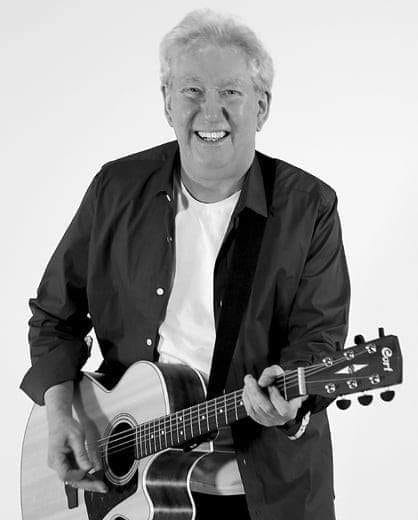
by Richard Young

Mention the name Wonderland Gardens today, and most Londoners will probably respond, “Wonderland what”?

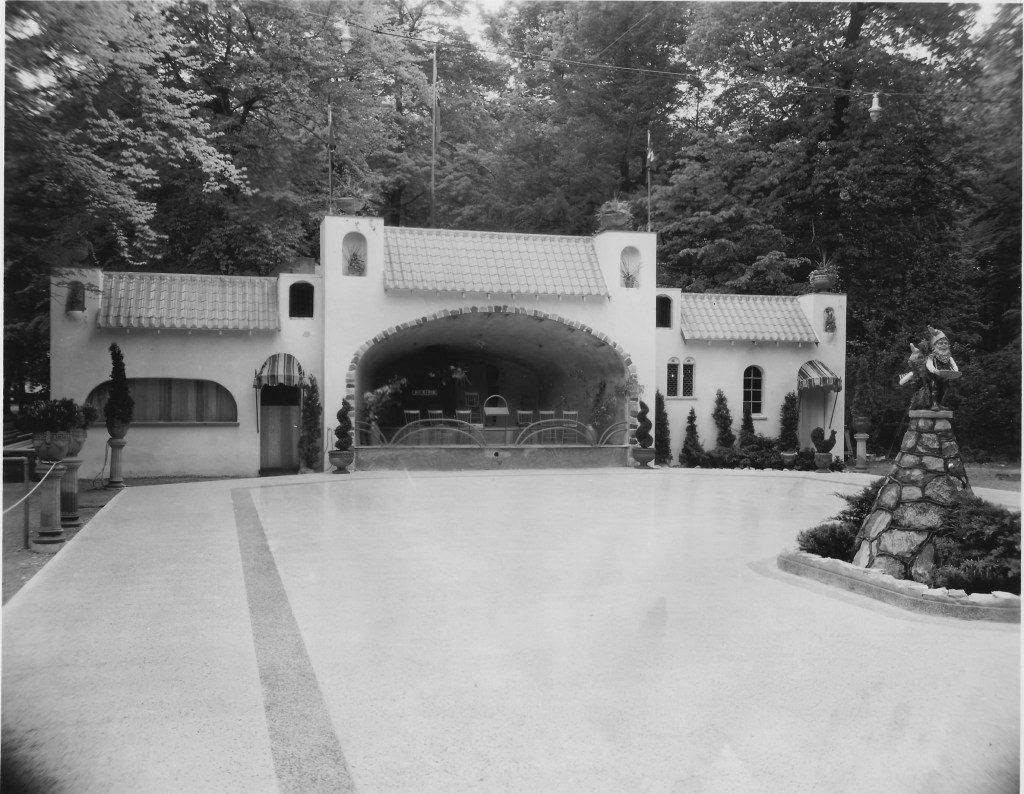
The site of the legendary dance hall, which burned down in 2005, is now called Springbank Gardens, and all that remains of the original venue is the outdoor bandshell.

The story of Wonderland Gardens begins in the early 1930s, when Charles Jones signed a long-term lease for a small lot of land in Westminster Township adjacent to the Thames River. His plan was to build a series of gardens, fountains, woods, ponds, and footpaths, including a luxurious swimming pool, all surrounding a 550-square-metre, open-air dance floor with a bandstand and Spanish Colonial-style pavilion.

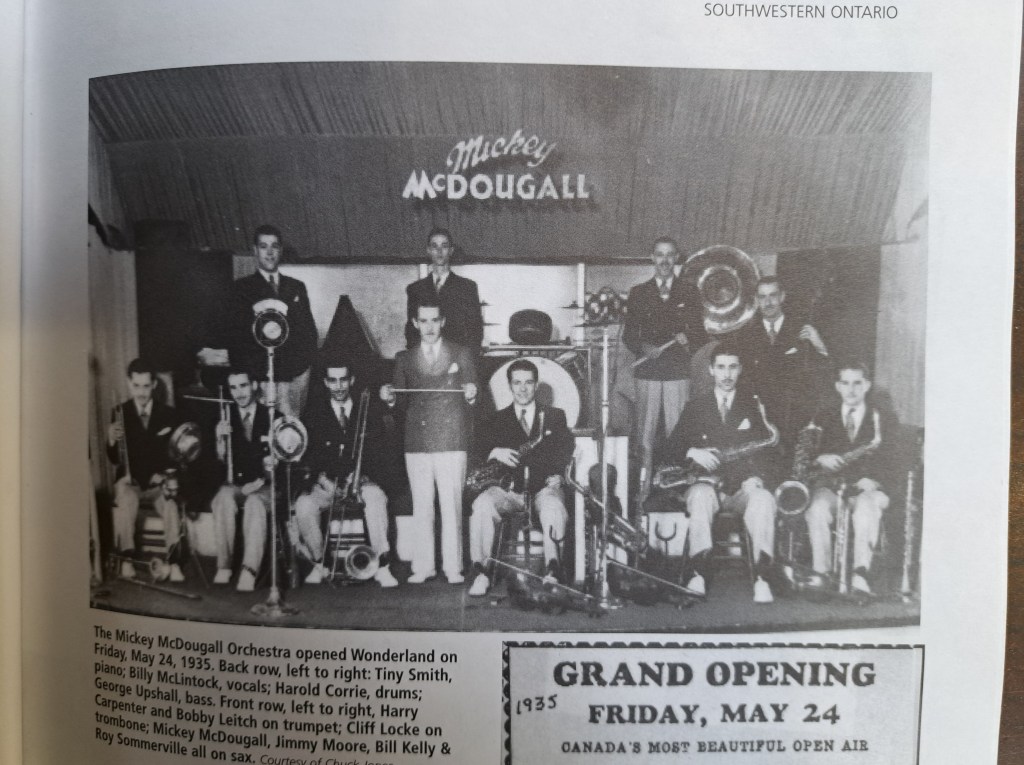
Wonderland Summer Gardens opened on May 24, 1935, and it quickly became one of the city’s hot spots. Big Bands like Guy Lombardo and his Royal Canadians and those led by Glenn Miller, the Dorsey brothers, and local musicians like Johnny Downs and Lionel Thornton all graced the venue’s bandshell. Generations of Londoners danced and canoodled under the stars on the venue’s open-air dance floor.

As the decades passed and musical tastes changed, the venerable dance hall changed with the times. By the 1960s, Wonderland was London’s favourite concert/dance hall for the thousands of London area Boomers who flocked there to see major acts like Sly and the Family Stone, Deep Purple, The Mandala, Grant Smith and the Power, and many others too numerous to list.

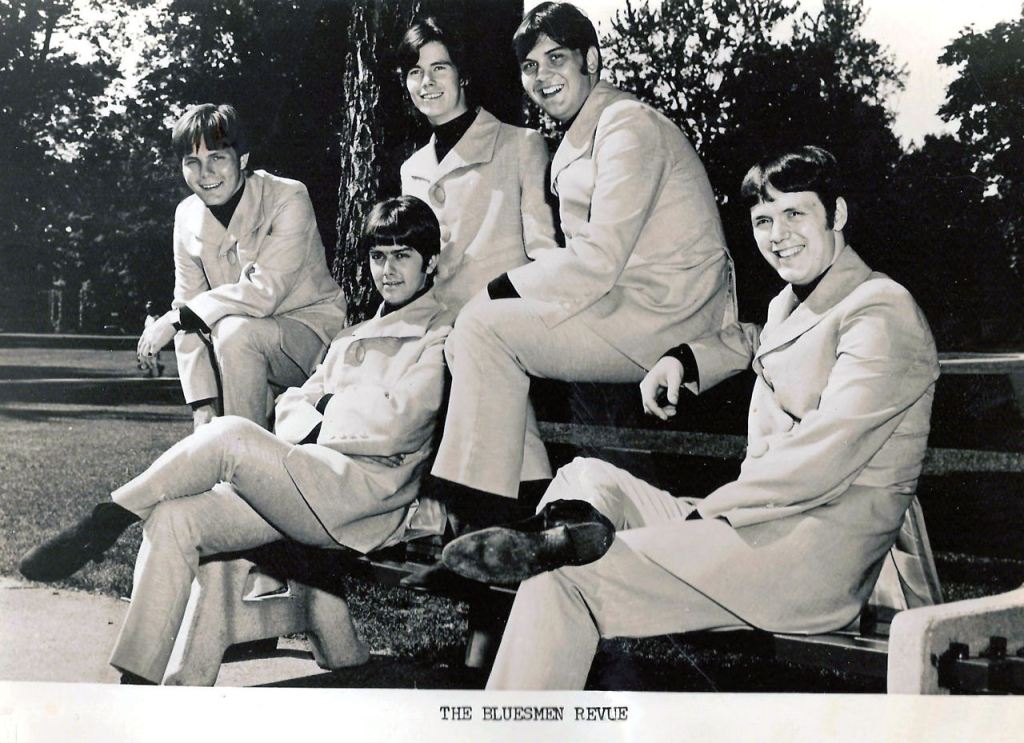
Wonderland was also a jumping-off point for local bands like The Bluesmen Revue, A Small Experience, and The New Set, who mostly opened for the headliners.

For the late John Sharpe, The New Set’s former drummer, Wonderland holds a special place in his musical career.

“A group could play any number of teen towns or private events, but everyone knew you had not really ‘made it’ until you played Wonderland,” recalled John. “It was a magical place that attracted hundreds of teens to its weekly rock ‘n’ roll shows, so every group in the area wanted in on the action.”

Jim Chapman, former bassist for The Bluesmen Revue, a very popular London R&B group, remembers headlining at Wonderland many times.

“The room had excellent acoustics both on the stage and in the hall. In those days, that was the exception rather than the norm,” Jim recalls. “And it had one of the smallest dressing rooms I ever saw in a venue that size. How the multi-person big bands ever managed to get their people dressed for a gig I cannot imagine!”

Ken Thorne, of A Small Experience, another London band that regularly played Wonderland, remembers the venue’s dressing rooms, too.

“The original dressing room walls were scrawled with the signatures of many of the artists who performed there. Whenever we played there, we used to try and find the new additions while waiting to go on stage,” says Ken.

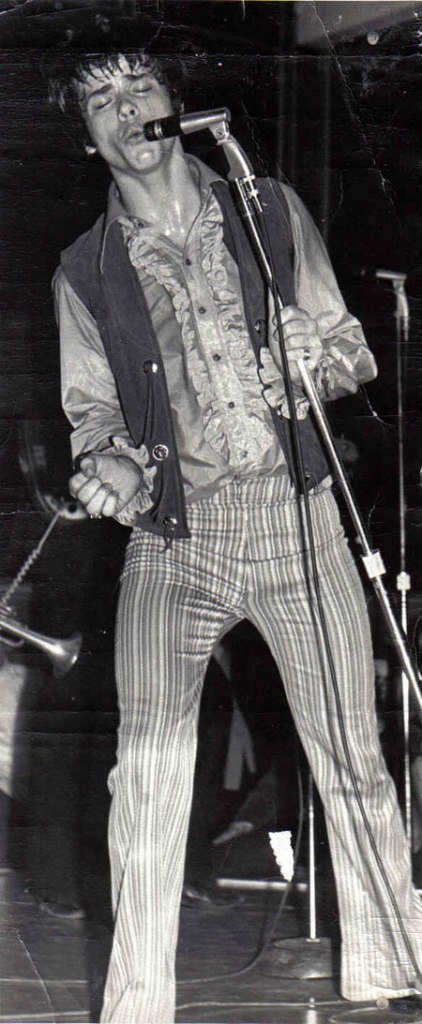
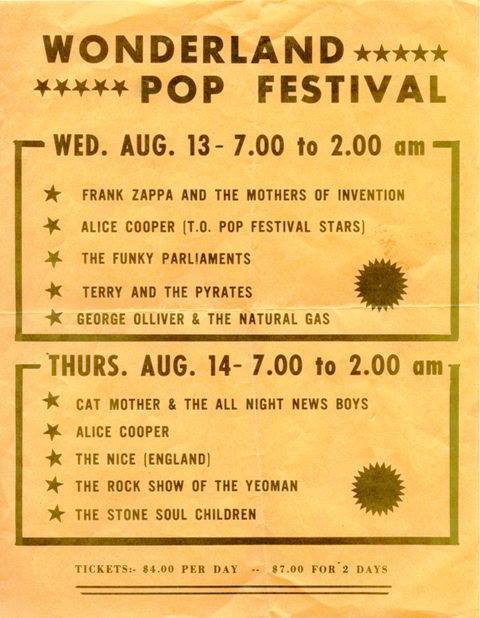
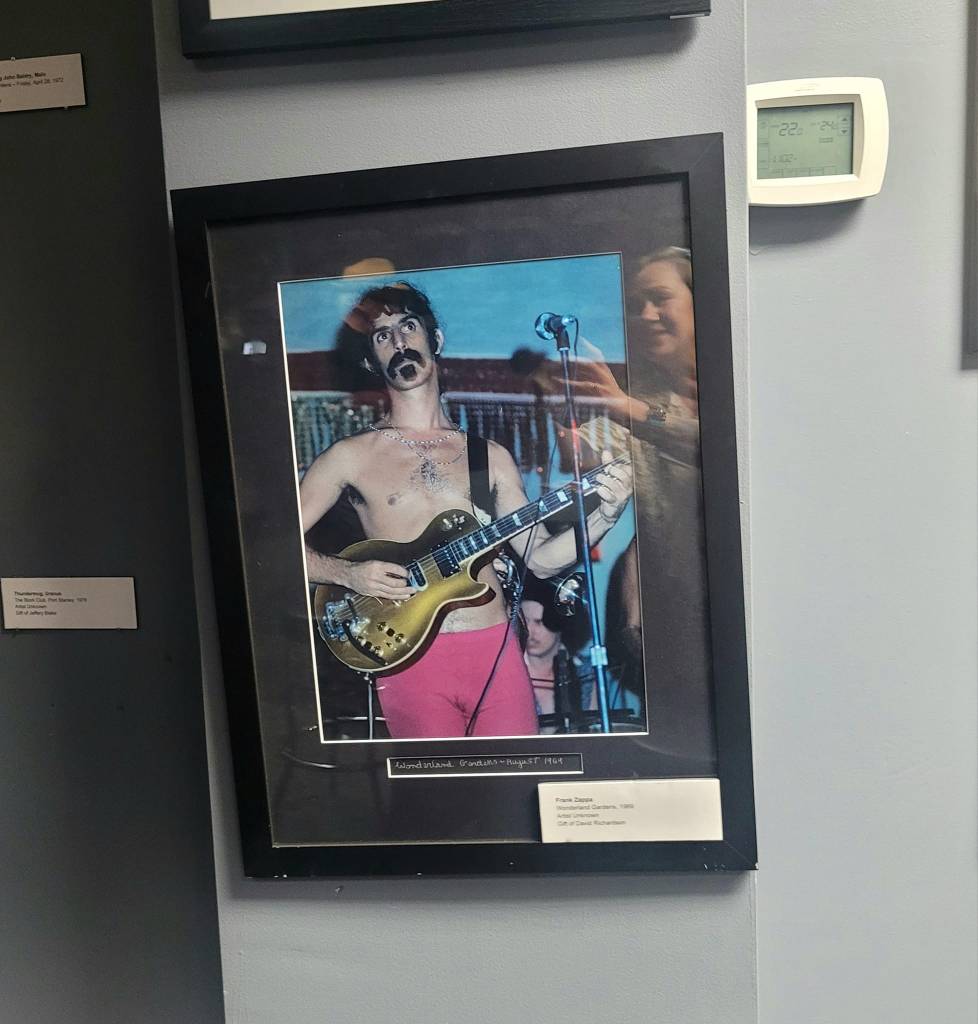
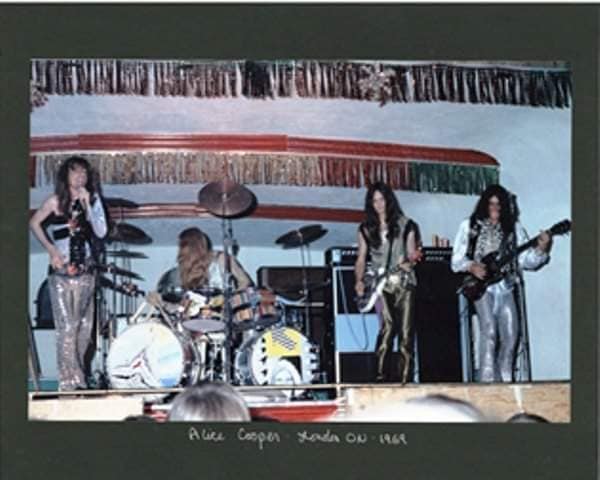
On August 13 – 14, 1969, Wonderland hosted a two-day Pop Festival featuring Frank Zappa and the Mothers of Invention, Alice Cooper, Cat Mother & The All Night News Boys, George Olliver & The Natural Gas, and others for the whopping price of $7.00! The event preceded the much larger Woodstock Music Festival that took place in New York State, August 15 – 18.

Apparently, Zappa was asked why he wasn’t playing Woodstock. His reply? “Because we don’t want to.”

Rumour has it that after his set, Zappa waterskied on the heavily polluted Thames River, which flowed behind Wonderland! The rumour was recently confirmed during an interview I did with Chuck Jones.

As the years progressed, touring acts moved to other venues in town and Wonderland became more of a location for special events like company parties, conventions, rallies, and receptions.

“In its final days, the City of London had an active interest in Wonderland, but the council would not invest the money needed to refurbish it and keep it a top live performance venue,” Jim laments. “When Wonderland burned down, there was a lot of talk that something political and fishy had gone on, though I have no way of knowing if that was the case. Like many people, when I heard news of the fire, I shed a tear for all the great days and memories gone by.”

So next time you pedal or walk through Springbank Gardens, take a pause to see if you can hear some of the strains of great music that was once played on the site.

Author’s Note: Since this story was published in The Byron Villager a few years back, I was commissioned by the City of London Culture Office to prepare an Interpretive Sign that visually tells the history of Wonderland Gardens from 1935 to its rebirth as Springbank Gardens. The plaque will be unveiled on Sunday, June 21, at 1:30 pm at The Guy Lombardo Pavilion in Springbank Gardens.